 By Graham Fisher
Updated November 2026
A canopy porch swing set gives you a shaded, comfortable place to sit, rock and relax outdoors. This guide walks you through choosing the right canopy porch swing set for your space, setting it up safely, and keeping it in good shape for years. By the end, you will know which features matter, how to check that your porch can handle the load, and how to avoid the errors that shorten a swing’s life.
What a Canopy Porch Swing Set Includes
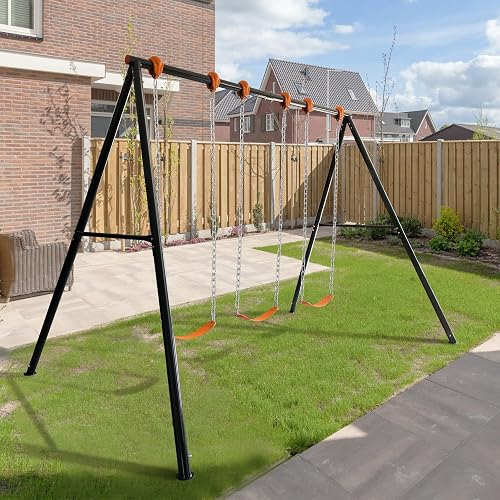
Most canopy porch swing sets combine a suspended seat, a fabric or metal canopy, and a hanging frame or stand. Some are simple two-person porch swings with a roof overhead. Others are freestanding units with a steel or wood frame that does not need a ceiling beam. Knowing which type you need is the first decision, because it determines how much preparation your porch or patio requires.
Shopping for one? See our guide: 6 Best Wood Porch Swing Set Options for Backyard Play (2026).
Common components include:
- The seat or bench, usually wood, powder-coated steel or resin wicker
- The canopy, typically polyester or acrylic fabric stretched over a metal or wood frame
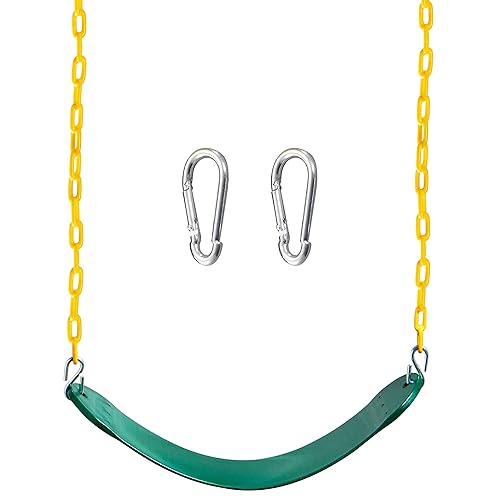
- Hanging hardware, such as eye bolts, chains, or adjustable hanger straps
- Cushions and back pads, which are often removable
Step 1: Choose the Right Type for Your Space
Start by measuring the area where the swing will go. A standard two-seat porch swing typically needs a clear swing arc of about 3 to 4 feet in front and behind the seat when it moves, so plan for at least 7 to 8 feet of depth on a covered porch. Measure the ceiling height too. Most porch swings hang with the seat about 16 to 18 inches off the floor and need at least 7 feet of headroom to avoid bumping the canopy.
Ceiling-Hung or Freestanding
Ceiling-hung swings attach to structural joists or a solid beam. They look clean and work well on covered porches. Freestanding canopy swing sets sit on their own legs or base, so they suit patios, backyards and decks without overhead framing. Freestanding models usually need a level, firm surface and some form of anchoring.
Covered or Open Area
The canopy is designed to shade you from sun, but it offers limited rain protection. If the swing will be in an open yard, check whether the canopy fabric is water-resistant and whether the frame can handle wind. Swings in exposed spots benefit from a sturdier base and an occasional check of hardware after storms.
Step 2: Confirm the Weight Rating and Structural Load
Every canopy porch swing has a stated weight capacity, and manufacturers specify it for good reason. Two-person swings often list capacities in the range of 400 to 600 pounds, but the number applies to the whole swing, including the seat, the hardware and the people on it. Add the weight of cushions and any children who will climb on and off.
For ceiling-hung units, the mounting point matters as much as the rating. Hanging a swing from drywall or a single thin board is a common source of failure. The anchor should go into solid framing, such as a ceiling joist or a beam, and should be rated for dynamic loads (the force of a swinging, moving load is greater than the seated weight alone). If you are unsure about the structure of your porch, consult a licensed contractor or structural professional before hanging anything heavy overhead.
Step 3: Gather the Tools and Hardware
Before you start assembly or installation, gather what you need so you are not improvising mid-project. A typical setup requires:
- A stud finder and a level
- A drill with bits sized for your lag screws or eye bolts
- A socket or wrench set matching the assembly hardware
- A tape measure and a pencil for marking
- A helper, especially for lifting the canopy frame into place
- Stainless steel or galvanized hardware, which resists rust outdoors
Check every bolt, chain and hook for corrosion before you hang the swing. Replace anything bent, cracked or stripped.
Step 4: Assemble and Hang the Swing
Assembling a Freestanding Frame
Lay out all parts on a clean, flat surface and check them against the manufacturer’s inventory list. Assemble the base first, then attach uprights and crossbars. Tighten bolts by hand before using a tool, so threads do not cross. Once the frame is complete, tighten all fasteners fully, then go back and check them again after the first few uses, since wood and metal can settle.
Hanging a Ceiling-Mounted Swing
Mark the anchor points with a level so the swing hangs straight. Drill pilot holes into the joists, then install the lag bolts or eye bolts with the correct washers. Attach the chains or hanger straps, keeping them even in length. Sit on the swing briefly and watch for any twisting, sagging or movement at the mounts. Adjust before you let anyone use it freely.
Setting Up the Canopy
Attach the canopy frame last, after the seat is secure. Stretch the fabric evenly and check that it clears the seat back and the heads of the people sitting on it. Tighten the canopy straps so it does not flap in a light breeze, but do not overtighten, which can stress the frame.
Step 5: Place the Swing Correctly
Placement affects comfort, safety and how long the materials last. Keep the swing away from fences, walls and railings so it has room to move. Avoid positioning it where people walk directly behind the seat. For a freestanding canopy porch swing set, choose a level area. Uneven ground causes the swing to rock in one direction and loosens joints over time. Keep it out of direct contact with wet soil, and consider a patio pad or pavers underneath to reduce moisture damage to the feet.
Step 6: Maintain the Swing and Canopy
Regular upkeep prevents most failures. A simple routine helps:
| Task | How often | What to look for |
|---|---|---|
| Check bolts and hardware | Monthly in season | Loose nuts, rust, bent hooks |
| Inspect chains and straps | Monthly | Stretched links, fraying webbing, cracks |
| Clean canopy fabric | Every few months | Mildew, staining, tears |
| Treat wood surfaces | Once or twice a year | Fading, cracking, water absorption |
| Store cushions | During heavy rain or winter | Moisture, mildew smell |
Wipe the canopy with mild soap and water, then rinse and let it dry fully before folding. Store cushions indoors or in a sealed deck box when not in use. In winter, many owners remove the cushions and canopy or cover the whole set with a breathable cover. If you want a dedicated cover, see our guide on Outdoor Swing Set Covers: 5 Best Picks Compared for 2026.
Common Mistakes to Avoid
- Hanging from the wrong surface. Drywall, siding or a single thin board will not hold a moving load. Always anchor into solid framing.
- Ignoring the full load. Plan for the heaviest use, including two adults swinging hard, not just one person sitting still.
- Skipping the level check. A swing hung at an angle wears on one side of every joint and feels unstable.
- Mixing hardware types. Combining mismatched bolts, chains and hooks creates weak points. Use the parts the manufacturer supplies or matching replacements.
- Forgetting seasonal checks. Rust and loosened fasteners often appear after a wet spring or a windy storm.
- Overtightening the canopy. Tight fabric can bend frame members and cause early cracks.
- Letting children swing unsupervised on a high-load model. Follow the manufacturer’s age and weight guidance.
Tips for Better Results
- Choose stainless or coated hardware for coastal or humid areas.
- Add a non-slip mat under a freestanding swing to keep the base from shifting.
- Keep a small tube of penetrating lubricant on hand for squeaky joints, and wipe off excess.
- Photograph the assembly before taking anything apart, so reassembly is faster.
- If you are looking for a broader selection before buying, compare options in our roundup of 4 Best Outdoor Swing Sets with Canopy for Backyard Play (2026).
Recommended gear
These items support a safe installation and long-term care. Check that any product you buy matches your swing’s mounting method and weight rating.
- Stud finder: A quality stud finder helps you locate solid joists before drilling, which is the single most important step for ceiling-hung models. View on Amazon
- Stainless steel lag bolts and eye bolts: Stainless hardware resists rust and holds up to outdoor moisture far better than plain steel. View on Amazon
- Outdoor swing cover: A breathable cover shields the canopy and seat from sun fading and rain during off-season months. View on Amazon
- Torque wrench: Using a torque wrench helps you tighten bolts to a consistent level, avoiding both loose joints and stripped threads. View on Amazon
FAQ
How much weight can a canopy porch swing set hold?
Capacity varies by model. Many two-person swings list limits in the range of 400 to 600 pounds. Always use the rating printed in the manual, which covers the whole swing, not just the seat.
Do I need a stud to hang a porch swing?
For a ceiling-hung swing, yes. Anchor into a solid joist or beam. Drywall, plaster or thin trim cannot support the moving load safely.
How far should a porch swing be from the wall?
Plan for enough clearance for the swing to move freely. Many owners leave at least 2 to 3 feet behind the seat, so the back does not hit the wall when swung.
Can I leave a canopy porch swing set outside all year?
You can in many climates if the materials are weather-resistant, but moving cushions indoors and using a breathable cover extends its life. Heavy snow and ice call for removing cushions and checking the frame for stress.
How do I clean the canopy fabric?
Use mild soap and water with a soft brush, rinse thoroughly and let it air dry completely. Avoid harsh bleach-based products, which can weaken fibers and fade color.
What is the best way to stop squeaking?
Identify the joint making the noise, wipe off dirt, and apply a light penetrating lubricant. Tighten any loose fasteners, since movement between parts is often the true cause.
How often should I inspect the hardware?
Check bolts, chains and hooks monthly during active use and after major storms. Replace any part that shows cracks, deep rust or stretched links.
Is a canopy porch swing safe for young children?
Many models suit supervised use by older children, but check the manufacturer’s age recommendations. Always supervise young children and never let them swing standing up or hang from the canopy frame. For specialized needs, a qualified professional can advise on suitability.
Conclusion
A well-chosen canopy porch swing set adds shade, comfort and a relaxing spot to any outdoor space. Match the type to your porch or yard, confirm the weight rating and anchoring, and install with level, solid hardware. Maintain it with regular checks and seasonal care, and it will serve your household for many summers.
Related reading
- Wooden Porch Swing Set: A Step-by-Step Guide to Choosing and Setting One Up
- Patio Swing Set with Canopy: How to Choose, Place and Care for One (2026)
- 4 Best Porch Swing Sets with Stand for Backyards and Patios (2026)
Ready to choose one?
About Graham Fisher
Graham Fisher is part of our editorial team and reviews and edits our backyard living & play guides, checking product details against manufacturer specifications and owner feedback.