 By Claire Whitaker
Updated November 2026
Remodeling a backyard is easier when you plan around how your family actually uses the space. The best ideas for remodeling backyard areas start with a clear list of needs, a rough map of the yard, and a sequence of projects that builds on itself. This guide walks through how to plan a remodel, which upgrades tend to deliver the most daily value, and the mistakes that cause the most rework.
Start With a Plan and a Site Map
Before you buy anything, measure the yard and sketch it on graph paper or a free design app. Mark the house, fences, existing trees, slopes, drainage paths, utility lines and the sun pattern across a typical day. Then list how the space needs to work: where kids play, where people eat, where the dog goes, and where you want quiet. If your yard is small, the planning stage matters even more, and our guide to Small Backyard Ideas: Getting More From Less Space covers how to prioritize.
Shopping for one? See our guide: 5 Best Backyard Playsets for Small Yards: Compact Picks for Families.
Call 811 before any digging. In the US, this free service marks buried utility lines so you avoid hitting gas, electric or water lines.
Choose Remodel Projects by Zone
Dividing the yard into zones keeps the design from feeling random. Most backyards work well with three: a gathering zone near the house, an activity zone for play or gardening, and a quiet zone at the far edge.
Gathering Zone: Patio and Shade
A level patio of at least 12 by 16 feet gives room for a table for six and a pair of loungers. Pavers, poured concrete or composite decking all work. Add shade with a pergola or a cantilever umbrella. If you want a more polished look, a Small Backyard Patios Ideas: 7 Layouts and Features That Work article can help you size the area.
Activity Zone: Play and Lawn Alternatives
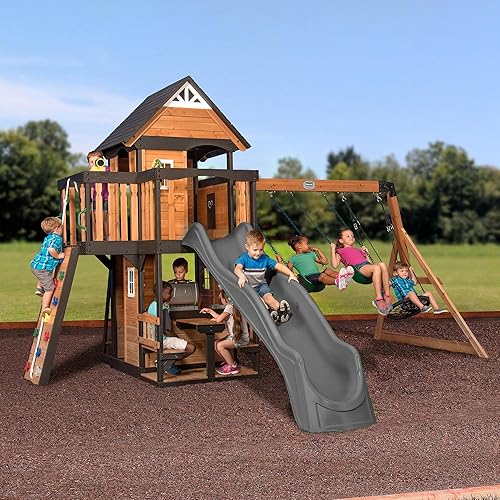
For kids, a swing set or playset should sit at least 6 feet from fences and structures, with a surface depth of about 9 inches of wood chips or rubber mulch under the play area, according to common manufacturer guidance. If grass struggles under heavy foot traffic, you can replace part of it with artificial turf or pavers. Our article on Small Backyard Turf Ideas: 7 Options for Tight Spaces compares those options.
Quiet Zone: Privacy and Planting
Privacy is often the first thing homeowners want to improve. A fence, a row of shrubs or a trellis with climbing plants can all screen a seating area. A planting bed along the fence line with layered heights (tall shrubs at the back, perennials in front) softens the boundary and adds color.
Plan the Work in Order
Remodels go smoothly when you sequence them correctly. Use this order to avoid tearing up finished work:
- Address drainage, grading and utilities first.
- Build hardscape: patios, walkways, retaining walls and fences.
- Install structures such as pergolas, play sets or a fire pit.
- Add planting beds, soil amendments and turf last.
Sloped yards need extra attention at step one. If your lot slopes, see Wood Retaining Wall Ideas for Sloped Backyard: 6 Designs and How to Build Them before you grade.
Materials and Tools Checklist
- Graph paper or design software and a 100-foot measuring tape
- Stakes and string to mark layouts
- Level, plumb line and a 4-foot straightedge
- Compactor for base layers under pavers or gravel
- Gloves, eye protection and hearing protection for power tools
Recommended Gear
- Plate compactor: Packs gravel and sand bases evenly, which prevents sinking pavers. View on Amazon
- Laser level: Helps you check grade across long runs of patio or fence line without repeated re-measuring. View on Amazon
- Post hole digger: Makes setting fence and pergola posts faster and more consistent. View on Amazon
Common Mistakes
- Skipping a proper gravel base, which leads to uneven pavers within a season or two.
- Placing play equipment too close to fences or trees, creating fall hazards.
- Ignoring drainage so water pools on the patio after heavy rain.
- Choosing plants that outgrow their space within three years.
- Building everything at once, which leaves no room to adjust after you use the space.
FAQ
How long does a backyard remodel usually take?
A single patio or planting bed can take a weekend, while a full redesign with grading, hardscape and structures often spans several months. Phasing the work lets you use finished areas while others are in progress.
Do I need a permit to remodel my backyard?
Many towns require permits for decks higher than about 30 inches, retaining walls above a certain height, and some fences or electrical work. Check with your local building department before you start, and consult a licensed professional for structural or electrical projects.
What is the best first project for a backyard remodel?
Fix drainage and any grading problems first, since they affect every other project. After that, a patio or seating area usually gives the most day-to-day benefit.
Conclusion
A successful backyard remodel starts with a site map, clear zones and a logical build order. Focus on the projects your household uses most, then add planting and finishing touches once the structure is in place. With a plan and the right sequence, your yard can grow into the space you actually want.
Related reading
- Wooden Fence Ideas for Backyard: 7 Styles and How to Choose One
- Wood Retaining Wall Ideas for Sloped Backyard: 6 Designs and How to Build Them
- Wood Fence Ideas for Backyard: 7 Styles and How to Choose One
- Very Small Backyard Ideas: 9 Ways to Make Tiny Spaces Feel Bigger
- Tropical Ideas for Backyard: 7 Ways to Create a Lush Escape at Home
Ready to choose one?
About Claire Whitaker
Claire Whitaker is part of our editorial team and reviews and edits our backyard living & play guides, checking product details against manufacturer specifications and owner feedback.