 By Claire Whitaker
Updated November 2026
Decking ideas for backyard projects range from simple platform decks to multi-level layouts with built-in seating. This guide walks you through the main design choices, how to match a deck to your yard and the planning steps that keep the build on track. By the end, you will have a clear direction for size, shape and materials.
Start With Your Yard and How You Will Use the Deck
Before you sketch anything, measure the area and note how the space gets used. A deck meant for grilling needs a clear line to the kitchen door, while a deck for kids’ play should sit close to a view of the yard. Check sun exposure at morning and afternoon, since a deck that faces west can become hard to use in summer.
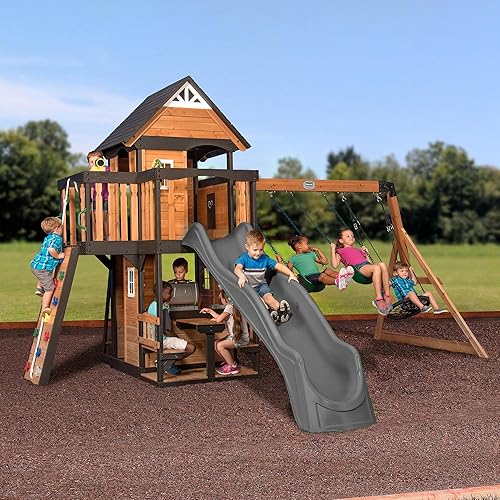
Shopping for one? See our guide: 5 Best Backyard Playsets for Small Yards: Compact Picks for Families.
If your yard is tight, look at Small Backyard Decking Ideas: 7 Layouts That Fit Tight Spaces for layouts that keep walkways open. Many owners also find that a deck works better when paired with Small Backyard Patios Ideas: 7 Layouts and Features That Work as a transition zone.
Choose a Deck Layout That Fits the Space
Most backyard decks fall into a few basic shapes. Each one suits a different footprint and purpose.
- Platform deck: A single level, usually attached to the house. It works well for dining and lounging.
- L-shaped deck: Wraps a corner of the house or yard and creates two zones, such as a dining area and a lounge.
- Floating deck: Sits on posts without attaching to the house. Useful when the home’s foundation is a concern.
- Multi-level deck: Steps down to a lower platform. Good for sloped yards, though it adds construction time.
- Corner or wraparound deck: Maximizes views and sun access but needs a larger yard.
Pick Decking Materials Based on Maintenance
Material choice affects how much upkeep the deck needs. Pressure-treated pine is widely available and easy to stain, but it needs regular sealing. Cedar and redwood resist decay naturally, though they cost more and still need occasional care. Composite and PVC decking require little more than periodic cleaning and resist fading and staining better than wood.
| Material | Upkeep | Best for |
|---|---|---|
| Pressure-treated pine | Seal every 1–2 years | Budget-conscious builds |
| Cedar or redwood | Stain or seal yearly | Natural look |
| Composite | Clean a few times a year | Low maintenance |
| PVC | Rinse and clean | Wet or shaded areas |
Plan the Build: Checklist and Key Steps
A well-planned deck starts with permits and a sound frame. Confirm local building codes and property line setbacks before you buy materials. Then follow this general sequence:
- Mark the deck footprint with stakes and string.
- Dig post holes below the frost line for your region and set concrete footings.
- Install the beam and joists, keeping joist spacing within the range the lumber manufacturer specifies (commonly 16 inches on center).
- Attach decking boards with a small gap between them for drainage and expansion.
- Add railings wherever local code requires them, typically where the deck sits more than 30 inches above grade.
Because structural work carries real risk, consider consulting a licensed contractor or structural engineer for framing and footings.
Common Mistakes to Avoid
- Skipping permits, which can lead to fines or forced removal.
- Placing the deck too close to the house, which traps moisture against siding.
- Using untreated lumber for ground-contact posts.
- Forgetting drainage, so water pools beneath the deck.
- Choosing a size that leaves no room to walk around furniture.
Recommended Gear
- Deck stain applicator: A pad or sprayer helps spread stain evenly across boards and reduces lap marks. View on Amazon
- Deck cleaner: A wood-safe cleaner removes mildew and gray weathering before sealing. View on Amazon
- Deck board spacer tool: Keeps consistent gaps between boards during installation. View on Amazon
FAQ
How big should a backyard deck be?
Many owners aim for a deck that leaves at least three feet of clear walkway around furniture. For a dining set, plan roughly 12 by 12 feet as a comfortable starting size.
Do I need a permit to build a deck?
Most jurisdictions require a permit for decks above a certain height or size. Check with your local building department before starting.
Which decking material lasts longest?
Composite and PVC generally resist rot and insects better than untreated wood. Proper installation and care matter more than the material alone.
Conclusion
The right deck depends on your yard shape, how you plan to use the space and how much maintenance you want to handle. Start by measuring and mapping sun and traffic, then choose a layout and material that fit those conditions. A careful plan now makes the build smoother and the finished deck more enjoyable for years.
Related reading
- Wooden Fence Ideas for Backyard: 7 Styles and How to Choose One
- Wood Retaining Wall Ideas for Sloped Backyard: 6 Designs and How to Build Them
- Wood Fence Ideas for Backyard: 7 Styles and How to Choose One
- Very Small Backyard Ideas: 9 Ways to Make Tiny Spaces Feel Bigger
Ready to choose one?
About Claire Whitaker
Claire Whitaker is part of our editorial team and reviews and edits our backyard living & play guides, checking product details against manufacturer specifications and owner feedback.