 By Claire Whitaker
Updated November 2026
Good backyard landscape ideas for dogs balance two goals: a yard that looks good and one that holds up to daily digging, running, and patrolling. This guide walks you through how to plan a dog-friendly landscape, choose durable surfaces and plantings, and set up zones that keep your dog safe and your lawn in better shape.
Start by Mapping How Your Dog Actually Uses the Yard
Before you pick materials, watch your dog for a few days. Note where they run laps, where they dig, where they potty, and where they lie in the shade. Those paths are your landscape’s real layout, and fighting them usually leads to bare patches and frustration.
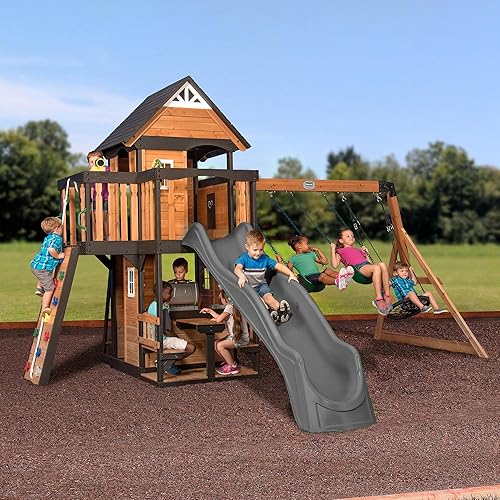
Shopping for one? See our guide: 5 Best Backyard Playsets for Small Yards: Compact Picks for Families.
Sketch the yard on graph paper at a scale of one square per foot. Mark fence lines, gates, sheds, and existing trees, then add the dog’s heavy-use zones in a different color.
Build a Durable Play and Run Zone
A dedicated run protects the rest of your landscape. Many owners use a rectangle of 10 by 20 feet or larger for medium and large dogs, though your space and your dog’s energy level should decide the final size. Place it near the back door so your dog can get out quickly, and keep it away from prime garden beds.
Good surfaces for high-traffic areas include pea gravel laid over landscape fabric, rubber mulch, or decomposed granite. Each drains reasonably well, but pea gravel can be kicked around, so edge it with a low border of pavers or steel edging.
Setup steps for a gravel run
- Remove sod and dig down 3 to 4 inches.
- Lay a heavy-duty landscape fabric and overlap seams by at least 6 inches.
- Add 2 to 3 inches of crushed stone base, then 2 inches of pea gravel on top.
- Install edging around the perimeter so gravel stays in place.
- Slope the area slightly away from the house, about 1 inch per 4 feet, for drainage.
Choose Dog-Tough Plants and Ground Covers
Pick plants that tolerate foot traffic and that are safe if your dog nibbles them. Many common landscape plants are toxic to dogs, including sago palm, oleander, azalea, and lily-family plants. Check the ASPCA’s toxic plant list before buying, and if you suspect ingestion, contact your veterinarian or a pet poison hotline right away.
Durable, generally pet-friendly options include buffalo grass or tall fescue for lawn areas, clover as a low-maintenance ground cover, and ornamental grasses along borders. Where lawn keeps dying, switch the worn zone to mulch or gravel instead of reseeding repeatedly.
Create Shade, Water, and Digging Outlets
Dogs overheat quickly in summer, so place shade within reach of the run. A shade sail, a pergola with climbing vines that are dog-safe, or a row of tall shrubs all work. Position a water station in the shade so it doesn’t heat up in the sun.
Many digging problems come from boredom or heat-seeking. Give your dog a designated digging box filled with sand or soil and bury a few toys to encourage use there. Placing it near the fence line, away from prized beds, works well.
Common Mistakes to Avoid
- Using cocoa mulch, which contains theobromine and is toxic to dogs.
- Skipping landscape fabric, which lets weeds and gravel mix into the soil.
- Placing the run in full afternoon sun with no shade.
- Planting toxic shrubs along fence lines where dogs chew.
- Ignoring drainage, which leaves muddy patches after rain.
Recommended Gear
- Landscape fabric suppresses weeds under gravel runs and keeps stones from sinking into soil. View on Amazon
- Steel lawn edging holds gravel and mulch in place along run borders. View on Amazon
- Shade sail provides quick, adjustable shade over a play area. View on Amazon
FAQ
What is the best ground cover for a backyard with dogs?
Pea gravel over landscape fabric and rubber mulch are popular in high-traffic zones because they resist wear and drain well. Hardy grass types like tall fescue work in lawn areas with moderate use.
Which plants should I avoid around dogs?
Avoid sago palm, oleander, azalea, and lily-family plants, along with many others. Check the ASPCA toxic plant database and consult your veterinarian if you are unsure about a plant.
How do I stop my dog from digging up the lawn?
Provide a designated digging area filled with sand or loose soil, and bury toys there to reward digging in that spot. Make sure the dog has shade, water, and daily exercise, since boredom and heat often drive digging.
Conclusion
A dog-friendly backyard works best when you plan around your dog’s habits instead of fighting them. Start with a run and durable surfaces, choose pet-safe plants, and add shade and a digging outlet. Once those pieces are in place, the rest of your landscape can look as polished as you want.
Related reading
- Texas Backyard Landscape Ideas: 7 Designs That Handle Heat and Drought
- Sloping Backyard Landscape Ideas: 7 Ways to Tame a Hillside
- Landscape Ideas for Slopes in Backyard: 7 Practical Options That Work
- Landscape Ideas for Sloped Backyard: 7 Practical Ways to Tame a Hill
Ready to choose one?
About Claire Whitaker
Claire Whitaker is part of our editorial team and reviews and edits our backyard living & play guides, checking product details against manufacturer specifications and owner feedback.