 By Claire Whitaker
Updated November 2026
Landscape ideas for a small backyard work best when you plan around how the space will actually be used. This guide shows you how to define zones, choose plants and hardscape that suit a tight footprint, and avoid the layout mistakes that make small yards feel cramped. By the end, you will have a clear plan you can sketch on graph paper before buying a single plant.
Start by Mapping Your Zones
Before choosing plants or materials, measure the yard and mark where sun falls at morning, midday and evening. Then decide what the space must do: a place to eat, a spot for kids to run, a corner for a grill, or simply a green buffer from the neighbors. Each job gets a zone, and each zone gets a rough footprint. Small backyards usually handle two or three zones well, but five will feel crowded.
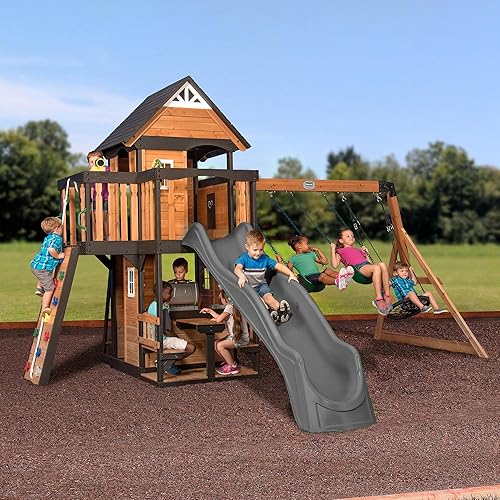
Shopping for one? See our guide: 5 Best Backyard Playsets for Small Yards: Compact Picks for Families.
Choose Layouts That Stretch the Space
Good small backyard landscape ideas rely on lines and repetition. A single continuous path running diagonally across the lot makes the yard feel longer than a straight path to the back fence. Curved beds can soften hard edges, but keep the curves gentle so mowing and maintenance stay simple. For more layout options sized for tight lots, see Backyard Landscape Ideas for Small Yards: 8 Layouts That Work and Very Small Backyard Ideas: 9 Ways to Make Tiny Spaces Feel Bigger.
Use Vertical Height Instead of Floor Space
Trellises, tall grasses at the back of a bed, and narrow columnar shrubs add height without taking up ground area. A fence line planted with a 2- to 3-foot-deep border of climbing or upright plants will read as a deep garden rather than a strip.
Build Simple Hardscape That Holds Its Shape
Patios, gravel paths and raised edging define space quickly. In a small yard, a 10-foot-by-12-foot paved seating area often feels more usable than several smaller broken-up patches. Pavers laid in a consistent pattern, with plant beds set as fixed borders, keep the look tidy. If you are weighing materials, Small Backyard Paver Ideas: 7 Layouts for Tight Spaces covers how different paver shapes affect the feel of a small area.
Plant for Scale, Light and Maintenance
Choose plants by their mature size, not the size they come in at the nursery. A shrub that reaches 8 feet wide will swallow a 4-foot bed within a few years. Group plants with similar water and light needs, and keep the palette to three or four types of plants repeated across the yard. Repetition looks deliberate, and it makes the whole area easier to care for. Owners of small yards often report that turf is the hardest feature to keep healthy in shade, so a mulched bed or ground cover may suit those spots better.
Stepwise Installation Checklist
- Measure the yard and sketch it to scale on graph paper.
- Mark sun exposure, drainage low spots and existing trees.
- Assign zones (seating, play, planting, storage) and their approximate sizes.
- Choose one main path and one focal feature.
- Select a limited plant palette sized to mature dimensions.
- Install edging and hardscape first, then planting beds, then mulch.
Compare Common Small-Yard Features
| Feature | Space Use | Maintenance | Best For |
|---|---|---|---|
| Paver patio | Medium | Low | Dining and seating |
| Gravel path | Low | Moderate | Linking zones |
| Layered planting border | Low | Moderate | Privacy and color |
| Lawn strip | High | High | Play and pets |
Common Mistakes to Avoid
- Filling every inch with plants, which leaves no room for movement.
- Choosing trees or large shrubs that will outgrow the yard in a few seasons.
- Scattering small features (a bench here, a pot there) instead of grouping them.
- Ignoring drainage, which can rot wood edging and wash out mulch.
- Skipping a sketch and buying materials before the layout is settled.
Recommended Gear
- Garden hose and adjustable nozzle helps you water beds evenly without overwatering the small space.
- Landscape edging keeps mulch and gravel where you put them: View on Amazon
- Hand pruner makes regular shaping of small shrubs quick and tidy: View on Amazon
FAQ
What is the best plant layout for a small backyard?
A layered border along one or two fence lines, with taller plants at the back and lower ones in front, usually gives the most privacy and color for the least space. Keep the bed depth at least 2 to 3 feet so the plants can develop properly.
How many features should a small backyard have?
Two or three clearly defined zones tend to feel balanced. Adding more often makes the yard feel busy rather than larger.
Is gravel or pavers better for a small yard?
Pavers give a more finished, stable surface for seating and tables, while gravel is lighter on the budget in terms of effort and works well for paths. Many small yards combine both, with pavers for the sitting area and gravel for connecting paths.
Conclusion
Strong landscape ideas for a small backyard start with measurements, zones and a sketch, not with plants. Keep the layout simple, use height and repetition, and choose plants sized for their mature footprint. A plan built this way will look intentional for years.
Related reading
- Texas Backyard Landscape Ideas: 7 Designs That Handle Heat and Drought
- Swimming Pool Ideas for Small Backyard: 7 Designs That Fit
Ready to choose one?
About Claire Whitaker
Claire Whitaker is part of our editorial team and reviews and edits our backyard living & play guides, checking product details against manufacturer specifications and owner feedback.