By Tristan Holland
A tiki smokeless fire pit is a freestanding outdoor fire feature that uses a double-wall or secondary-burn design to reduce visible smoke. In this guide you will learn how this style of fire pit works, how to set one up on a level and safe surface, how to build and maintain a fire that burns cleanly, and what to look for when you compare models. By the end, you should be able to choose a tiki smokeless fire pit that fits your yard and run it with confidence.
How a Smokeless Fire Pit Reduces Smoke
Most of the smoke you see from an open fire is unburned fuel. When wood burns at low temperatures or without enough oxygen, gases and fine particles escape as smoke. Smokeless designs address this in two main ways. Many use a double-wall construction with perforated holes, which pulls outside air into the chamber and feeds it to the fire from multiple angles. Others rely on a secondary burn zone, where the hot gases rising from the fire are mixed with fresh air and ignited again before they leave the pit.
Shopping for one? See our guide: Top 9 Liquid Propane Fire Pits with Strong Heat and Easy Setup.
The result is a hotter, more complete burn. You get a cleaner flame, less smoke drifting toward your guests, and often a fire that needs fewer logs to stay lively. Keep in mind that “smokeless” describes a reduction, not a complete elimination. Smoke still appears when you first light the fire, when you add wet wood, or when the fire is starved for air.
Choosing the Right Spot for Your Tiki Smokeless Fire Pit
Placement matters as much as the fire pit itself. Before you light anything, walk the area and check the following:
- Clearance from structures: most manufacturers recommend at least 10 feet between the fire and any house, fence, deck railing, or overhanging tree branch. Check the manual for the exact distance your model requires.
- Overhead clearance: look up. Keep branches, pergolas, and string lights well above the flame zone.
- Level, non-combustible ground: pavers, gravel, or a stone patio are better than bare lawn or wood decking.
- Wind direction: pick a spot where prevailing breezes carry smoke away from seating areas.
- Access to water: keep a garden hose or a bucket of water within easy reach.
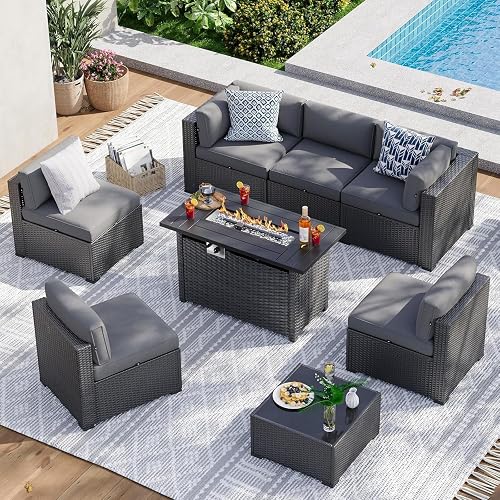
If you are planning a seating area around the pit, our piece on Best Outdoor Furniture for the Fire Pit: 5 Breeo Pieces Compared covers layouts that keep chairs at a comfortable distance from the heat.
Setting Up Your Fire Pit Step by Step
Once you have chosen a location, follow these steps to set up your tiki smokeless fire pit correctly.
- Clear the area of leaves, dry grass, and debris within a radius at least as wide as the pit plus the clearance distance in your manual.
- Lay down a non-combustible base if the ground is soft or uneven. Pavers, crushed stone, or a metal fire pad work well.
- Place the pit on the base and confirm it sits level. Use a small level on the rim. A wobbling pit can tip when the metal heats and expands.
- Assemble any included parts, such as legs, grates, or ash pans, following the manufacturer’s order. Tighten all fasteners after the first few fires, since metal can shift as it heats.
- Keep the ash pan clean and empty it when it is cool. Ash blocks airflow and reduces burn efficiency.
Tools and Supplies You Will Need
| Item | Purpose |
|---|---|
| Dry, seasoned hardwood | Clean, hot burning fuel with low moisture |
| Fire starters or kindling | Gets the fire going quickly and reduces early smoke |
| Long-handled poker or tongs | Arranges logs and keeps your hands away from the heat |
| Heat-resistant gloves | Protects hands when adding or moving wood |
| Fire extinguisher or water source | Lets you respond quickly to a flare-up |
| Metal ash bucket with lid | Safely holds ash until it is fully cold |
| Small level | Confirms the pit sits flat before lighting |
Building and Maintaining a Clean-Burning Fire
How you build the fire affects how much smoke it produces. Good technique is more important than the pit’s design alone.
Start With Dry Wood
Use seasoned hardwood with a moisture content below about 20 percent. Wood that has been split and dried for at least six months usually burns cleanly. Green or damp wood hisses, smolders, and produces heavy smoke. Store your firewood off the ground and under cover so it stays dry.
Build the Fire in Layers
Place a few sheets of newspaper or fire starters in the center, add small kindling in a loose teepee shape, and then add larger pieces once the kindling catches. Let the fire grow before you add the big logs. Crowding the fire too early chokes off oxygen.
Manage Airflow
Keep the vents or perforations clear. If your model has an adjustable draft, open it when you first light the fire and reduce it once the flames are steady. The goal is a bright, lively flame, not a smoldering pile.
Add Fuel Gradually
Feed the fire a few pieces at a time. Adding several large logs at once smothers the flame and produces smoke. Once the fire is burning hot, a smokeless design will keep the flame clean with much less effort.
Shut Down Safely
Let the fire burn down to embers, then spread the coals with a poker and douse them with water. Stir and check for hot spots. Wait until the pit feels cool to the touch before covering it or removing ash. Ash can stay hot for hours.
Common Mistakes to Avoid
- Burning wet or unseasoned wood, which causes the most smoke complaints.
- Overloading the firebox so the flames cannot breathe.
- Placing the pit too close to a fence, shed, or overhanging branch.
- Using lighter fluid or gasoline, which can flare up dangerously and leave residue.
- Leaving a fire unattended, even for a short time.
- Forgetting to clean the ash pan and clear the vents, which reduces airflow.
- Burning trash, painted wood, treated lumber, or plastics, which release toxic fumes.
Tips for Getting the Most From Your Fire Pit
- Keep a small notebook of which wood types and fire sizes worked best in your yard. Conditions vary with wind and humidity.
- Use a cover when the pit is not in use to keep rain out of the firebox and extend its life.
- Inspect welds, legs, and fasteners at the start of each season.
- Check local burn regulations and any HOA rules before installing a permanent pit.
- Use a fire screen or spark guard on windy nights to keep embers contained.
Recommended gear
A few accessories make a noticeable difference in day-to-day use. Choose items that match the type of fire pit you have and always check the manufacturer’s guidance on compatibility.
- Heat-resistant gloves: Gloves rated for high heat protect your hands when you add wood or adjust logs. View on Amazon
- Long-handled fire poker: A poker with a long handle lets you rearrange logs and spread coals without leaning over the flame. View on Amazon
- Fire pit cover: A fitted cover keeps rain and debris out of the firebox between uses. View on Amazon
- Metal ash bucket with lid: A sealed metal bucket lets you store ash safely until it is fully cold. View on Amazon
FAQ
Is a tiki smokeless fire pit completely smoke free?
No. Smokeless designs greatly reduce visible smoke once the fire is burning hot, but some smoke is normal during lighting and when you add fresh wood. Dry hardwood and good airflow give you the best results.
How far should a fire pit be from my house?
Many manufacturers recommend at least 10 feet from structures, though the exact figure depends on the model and local codes. Always follow the clearance listed in your owner’s manual and check local fire regulations.
Can I use charcoal in a smokeless fire pit?
Some owners do use charcoal, but many smokeless pits are designed for wood. Check the manufacturer’s guidance first, since charcoal can produce different heat patterns and may not suit every design.
What is the best wood to burn?
Seasoned hardwoods such as oak, maple, and hickory burn hot and produce less smoke than softwoods. Avoid treated lumber, painted wood, and pressure-treated scraps.
Can I leave the fire pit burning overnight?
No. Never leave a fire unattended or let it burn overnight. Allow the fire to burn down completely, douse the embers, and confirm everything is cold before you go inside.
How do I stop my fire pit from smoking when I first light it?
Start with dry kindling and fire starters, keep the vents open, and let the flames establish before adding larger logs. Smoke usually drops once the firebox heats up.
How often should I clean my fire pit?
Empty the ash pan after every use once it has cooled, and do a deeper cleaning at least once a season. Check vents and welds at the same time.
Should I consult a professional before installing a fire pit?
Yes, especially for permanent installations near structures or gas lines. A licensed contractor or your local fire authority can confirm clearances and code requirements for your property.
Conclusion
A tiki smokeless fire pit can turn a backyard into a comfortable gathering spot when you set it up on a safe, level base and burn dry, seasoned wood. Pay attention to clearances, airflow, and ash removal, and you will get cleaner flames and fewer complaints from neighbors and guests. Take a few minutes to plan your layout before the first fire, and enjoy many evenings around the glow.
Related reading
- Best Smokeless Fire Pits for the Backyard: 5 Compared
- Patio Fire Pit Furniture Set Compared: 7 Best Picks for Backyards (2026)
- Outdoor Furniture Set with Fire Pit: 7 Best Picks Compared (2026)
- Fire Pit Patio Seating: 7 Layouts and Setup Steps for Family Backyards
- Backyard Fire Pit Safety and Better Burning
Ready to choose one?

About Tristan Holland
Tristan has been writing about backyard living & play for this site, with an eye on clear explanations, honest trade-offs and options for different needs and budgets.