 By Claire Whitaker
Updated November 2026
Backyard ideas with gravel can turn bare dirt, muddy corners, or a patchy lawn into a tidy, usable outdoor space. This guide covers where gravel works well, how to lay it so it stays put, and the mistakes that cause most of the trouble. Gravel is also one of the more forgiving surfaces for families, since it drains quickly and needs far less mowing than grass.
Where Gravel Works Best in the Yard
Gravel suits areas that get heavy foot traffic, sit in shade, or stay damp after rain. It is a poor choice for spots where you want to lie on the grass or let toddlers crawl around barefoot. Common uses include:
- Pathways between the house, garage, and back gate
- Seating areas around a fire pit or under a pergola
- Drainage zones where water pools near downspouts
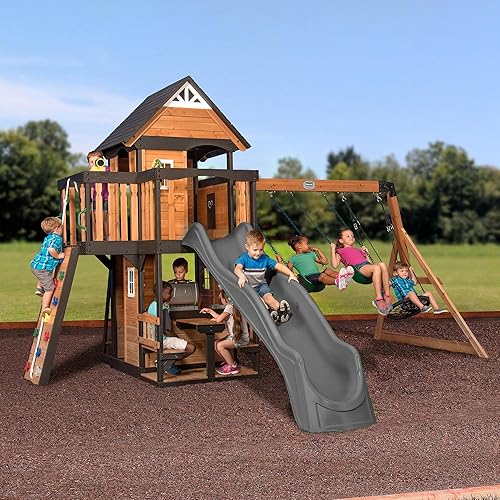
- Play zones for climbing structures, with a deeper base for safety
- Planting beds that need a mulch-like surface to suppress weeds
For more on sizing these zones, see Small Backyard Ideas: Getting More From Less Space, which covers how to divide limited space into functional areas.
Choosing the Right Gravel and Edging
Pea gravel, which is smooth and rounded, is comfortable underfoot but can migrate onto lawns and into shoes. Crushed stone locks together better and works well for paths and sitting areas. Decomposed granite packs down firmly and suits garden paths. Match the stone size to the job: smaller stones for walking surfaces, larger stones for drainage beds.
Edging is what keeps gravel where you put it. Steel, aluminum, or stone edging installed flush with the surrounding grade prevents spreading. Without it, you will spend more time raking stones back into place than enjoying the space.
Installing a Gravel Surface Step by Step
A stable gravel surface depends more on the base than the stone on top. Follow this sequence:
- Mark the area and remove sod, roots, and topsoil to a depth of 4 to 6 inches for walkways, or deeper for vehicle access.
- Check slope. Aim for a fall of about 1 to 2 percent away from the house so water runs off.
- Lay landscape fabric to block weeds, overlapping seams by 6 inches.
- Add a compacted base of crushed stone or road base, roughly 2 to 3 inches thick for paths.
- Install edging, pinned firmly so it does not shift.
- Spread the top layer of gravel to a depth of 1.5 to 2 inches, then rake evenly and compact with a plate compactor or hand tamper.
Because excavation and grading can affect underground utilities and drainage, check with your local utility locator service before digging. For sloped sites, a structural professional should review any retaining elements.
Ideas for Gravel in Specific Zones
Fire Pit and Seating Areas
A gravel circle around a fire pit catches stray embers better than grass and is easy to rake clean. Keep the gravel at least several feet back from the flame, and check local fire regulations before building. For material choices, Gravel in Fire Pit: 4 Best Options for Backyards in 2026 compares options that handle heat well.
Play Zones and Swing Sets
Under play equipment, loose fill should be deep enough to meet the fall-height guidance for your structure, typically around 9 inches of loose material for many playsets. Pea gravel is not a recommended impact surface, so manufacturers’ surfacing specifications should guide your choice. Rubber mulch or engineered wood fiber are often recommended instead.
Narrow Side Yards and Tight Spaces
Gravel is practical in narrow strips where grass struggles in shade. Pair it with a few containers or a bench to keep the space from feeling bare. Ideas for compact layouts appear in Very Small Backyard Ideas: 9 Ways to Make Tiny Spaces Feel Bigger.
Common Mistakes to Avoid
- Skipping the compacted base, which leads to ruts and sinking within a season.
- Using pea gravel on a slope, where it washes out during heavy rain.
- Omitting landscape fabric, so weeds push through within a year or two.
- Installing gravel against the house without a drainage gap, which can trap moisture near siding.
- Ignoring the lawn edge, letting stones spread into the grass and damage mower blades.
Recommended gear
A plate compactor makes the base layer far more stable than hand tamping on larger areas. View on Amazon
Steel landscape edging holds stone in place and gives a clean line between gravel and lawn. View on Amazon
Heavy-duty landscape fabric blocks weeds under the stone without tearing during installation. View on Amazon
FAQ
How deep should gravel be for a backyard path?
A walking path usually needs a compacted base of 2 to 3 inches topped with 1.5 to 2 inches of gravel. Heavier use or vehicle access requires a deeper base.
Does gravel attract mosquitoes or pests?
Standing water is the main concern, so proper grading matters more than the gravel itself. Good drainage keeps the surface drier and less inviting to insects.
Can I put gravel over existing grass?
It is better to remove the sod first, since grass left underneath will grow through and make the surface uneven. Fabric and a solid base work far better than laying stone directly over turf.
Conclusion
Backyard ideas with gravel work best when you match the stone type to the task and invest in a solid base and edging. Start with the high-traffic or problem areas, then expand as you see how the surface performs. A well-built gravel zone can stay tidy with little more than an occasional rake.
Ready to choose one?
About Claire Whitaker
Claire Whitaker is part of our editorial team and reviews and edits our backyard living & play guides, checking product details against manufacturer specifications and owner feedback.