 By Claire Whitaker
Updated November 2026
Backyard ideas low cost projects can transform a plain patch of lawn into a usable family space without a large outlay. This guide walks through how to plan, prioritize and build seven simple upgrades, from play zones to shaded seating. You will also learn which shortcuts save money and which ones cause expensive repairs later.
Start With a Plan for How the Yard Gets Used
Before buying anything, watch how your family actually uses the yard for one or two weeks. Note where kids run, where adults sit, which areas stay soggy after rain, and which spots get full sun in the afternoon. A low cost backyard plan built on real use avoids the most common waste: buying furniture or structures that end up in the wrong place.
Shopping for one? See our guide: 5 Best Backyard Playsets for Small Yards: Compact Picks for Families.
Sketch the yard on graph paper at a scale of one square per foot. Mark the house, fences, existing trees and any utility lines. Then draw three zones: play, gathering and quiet. Most small yards only need one or two of these to feel complete.
Build Low-Cost Zones With Materials You Can Source Locally
Reclaimed and surplus materials are the backbone of most budget projects. Check local classified listings, building-supply salvage sections and neighbors who are replacing decks or fences. Pallets, untreated lumber offcuts and leftover pavers can all work well, as long as you inspect them for rot, nails and cracks before use.
Simple sub-steps for a gathering area
- Mark a rectangle roughly 10 by 12 feet in a level, well-drained spot.
- Remove sod to a depth of about 3 inches and level the base with a tamper.
- Lay a 2-inch layer of crushed gravel, compact it, then set pavers or a sand base on top.
- Add a bench or two made from pallet wood or cedar 2×6 boards.
Use Plants and Mulch to Replace High-Maintenance Lawn
Turf needs regular mowing, watering and fertilizer, and patchy areas often cost more to fix than to avoid. Mulch beds, groundcovers and clumping perennials cut maintenance while adding color. Lay landscape fabric under 3 inches of wood chips in beds that will stay out of foot traffic. For more layout ideas that skip grass entirely, see Cheap Backyard Ideas Without Grass: 8 Low-Cost Options for Families.
Create Shade and Play Areas on a Budget
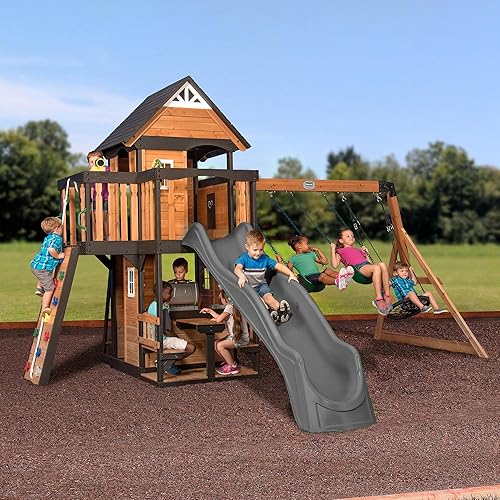
Shade matters more than most families expect. A simple sail shade anchored to two posts or a tree can block most midday sun, and a DIY sandbox with a lid keeps toddler play areas clean. Keep play equipment at least 6 feet from fences and walls, with a 6-foot fall zone of wood chips or rubber mulch around any swing or slide. Manufacturers of playsets generally specify these clearances, so check the instructions before you build.
Add Low-Cost Walkways and Paths
Walkways prevent muddy paths and make the yard easier to use after rain. Stepping stones set into mulch or gravel are one of the cheapest options. For a longer-lasting route, read Cheap Backyard Walkway Ideas: 7 Low-Cost Paths That Last for materials and layout options.
Checklist Before You Start
- Measure the yard and mark utility lines with a call to 811 before digging.
- Choose two or three zones to build first, not all of them at once.
- Inspect salvaged wood for rot, nails and insect damage.
- Confirm local rules on fences, sheds and structures with your city or HOA.
- Set aside a simple maintenance schedule for mulch and planted beds.
Common Mistakes
- Skipping drainage checks, which leads to standing water and rotting wood.
- Placing play equipment too close to fences or the house.
- Buying untreated wood for ground contact, which breaks down quickly.
- Starting too many projects at once and leaving the yard half-finished.
Recommended gear
A sturdy tamper makes gravel and paver bases far easier to compact evenly. View on Amazon
A pair of landscape fabric rolls keeps weeds down under mulch beds. View on Amazon
A tarp-style shade sail with mounting hardware gives instant shade over a play area. View on Amazon
FAQ
What is the cheapest way to improve a backyard?
Clearing debris, adding mulch to bare areas and setting up one simple seating spot usually makes the biggest visible difference for the least effort. These steps also reveal how the yard drains and where you need more structure.
Is reclaimed wood safe for play areas?
Only if it is untreated, free of peeling paint and in sound condition. Avoid old railroad ties and pressure-treated wood from unknown sources near play zones, and consult a professional if you are unsure about material safety.
How do I keep a low-cost backyard from looking messy?
Limit your palette to two or three materials, such as wood chips, gravel and one type of planting. Repeating materials across zones creates a finished look even when the individual pieces are simple.
Conclusion
Backyard ideas low cost projects work best when you plan around real family use and build in stages. Start with one zone, check drainage and safety clearances, and add features as your budget and time allow. A thoughtful plan will often outperform a more expensive one bought without a clear purpose.
Related reading
- Cheap Backyard Ideas No Grass: 8 Low-Cost Designs for Families
- No Lawn Backyard Ideas: 9 Low-Maintenance Layouts for Families
- Ideas for Backyard Without Grass: 9 Low-Maintenance Designs
- Drought Tolerant Backyard Ideas: 7 Low-Water Designs That Still Look Good
Ready to choose one?
About Claire Whitaker
Claire Whitaker is part of our editorial team and reviews and edits our backyard living & play guides, checking product details against manufacturer specifications and owner feedback.