 By Claire Whitaker
Updated November 2026
Backyard porch ideas on a budget usually come down to three things: reusing what you already have, choosing materials that are easy to work with, and building in stages. This guide walks through how to plan a covered or semi-covered porch, pick affordable finishes, and add comfort without overbuilding. You will finish with a clear layout and a sequence of steps you can follow over a single weekend or spread across a season. For a deeper look, 6 Best Backyard Decor Ideas on a Budgets: Our Picks for Every Yard covers this in detail.
Start With Your Purpose and Your Footprint
Before buying anything, decide what the porch is for. A morning coffee spot needs room for two chairs and a small table. A family dining area needs space for a table and enough clearance to pull out chairs. A play-adjacent porch for kids may need open floor for a bench and storage. Measure the area you have, then mark the outline with stakes and string. Leave at least 36 inches of clear walkway around any seating so people can move without squeezing past furniture.
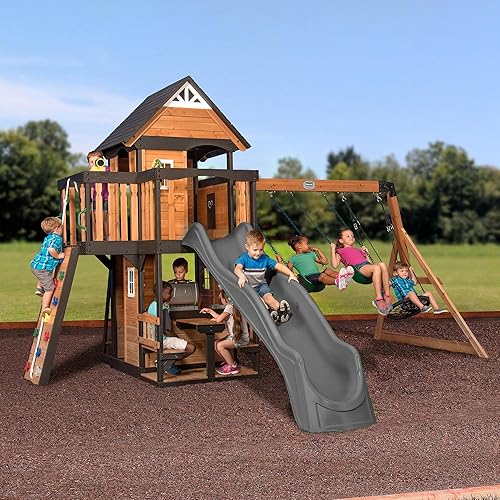
Shopping for one? See our guide: 6 Best Wood Porch Swing Set Options for Backyard Play (2026).
Choose Low-Cost Materials and Structure
Most budget porches rely on a few simple choices. Pressure-treated lumber is widely available and handles ground contact when rated for it, so check the tag before you buy. Composite or vinyl decking costs more up front but needs less upkeep. For a small roof, a basic shed-style slope with corrugated polycarbonate panels keeps weight low and lets light through. If you already have a solid patio slab, a freestanding pergola or a post-and-beam frame bolted to the slab can deliver shade without a full floor build. Whatever you choose, use galvanized or stainless fasteners, since standard steel nails corrode quickly outdoors.
Use What You Already Have
Salvaged doors, reclaimed fence pickets, and leftover deck boards can become railings, privacy screens, or bench backs. Check local classified listings and building-material reuse stores for lumber and fixtures. Painting old materials with a single exterior-grade color often makes them look intentional.
Add Shade, Comfort and Privacy Cheaply
Shade does more for comfort than almost any other upgrade. Outdoor shade sails anchored to posts, retractable awnings, or climbing plants trained on a simple trellis all work. A trellis of inexpensive wire and cedar posts can support fast-growing vines within one growing season, though results vary by climate and sun exposure. For privacy, slatted panels or lattice on one or two sides block sightlines without enclosing the space. Keep ventilation in mind so the porch does not trap heat.
Furnish in Layers
Start with one or two seating pieces and a small side table. Add outdoor rugs, cushions, and string lights once the basics are in place. This approach spreads spending over time and lets you test how the space actually gets used before committing to larger items.
Recommended gear
- Galvanized deck screws keep framing and decking secure without rust streaks. View on Amazon
- A weather-resistant outdoor rug protects the floor and defines the seating area. View on Amazon
- A cantilever or freestanding shade sail adds quick shade while the structure is still under construction. View on Amazon
Checklist for a Budget Porch Build
- Measure the footprint and mark it with stakes and string.
- Confirm local rules on setbacks, permits, and height limits before digging.
- Set posts or footings to the depth recommended for your frost line.
- Frame the floor or pergola, checking that everything is level and square.
- Install decking or roofing, then add railings, screens, or shade.
- Seal or paint exposed wood according to the manufacturer’s directions.
- Add furniture, lighting and textiles last.
Common Mistakes to Avoid
- Skipping a permit check, which can lead to forced removal.
- Using untreated lumber in ground contact, which rots quickly.
- Building too large for the yard and blocking access to other areas.
- Ignoring drainage, so water pools under the porch or against the house.
- Buying all the furniture before you know how the space feels in use.
FAQ
Can I build a backyard porch without a permit?
Many small, unattached structures are exempt, but rules vary by city and county. Check with your local building department before you start, especially if the porch is attached to the house or exceeds a set height.
What is the cheapest material for a porch floor?
Pressure-treated lumber is usually the most accessible option for a DIY floor. Concrete pavers over a compacted base can also work well if you want a low-maintenance surface.
How do I keep a backyard porch cool in summer?
Combine shade from a roof, sail, or vines with airflow from open sides. Positioning the porch to catch breezes and avoiding dark, heat-absorbing surfaces both help.
Conclusion
A budget-friendly backyard porch comes from clear planning, practical materials, and building in stages. Measure carefully, reuse what you can, and add shade and furniture once the structure is solid. Consult a licensed contractor or your local building office if the project involves attaching to the house or heavy roofing.
Related reading
- Patio Ideas for Backyard on a Budget: 8 Steps to a Better Space
- Budget Backyard Pool Ideas: 7 Affordable Ways to Enjoy Water at Home
- Very Small Backyard Ideas: 9 Ways to Make Tiny Spaces Feel Bigger
Ready to choose one?
About Claire Whitaker
Claire Whitaker is part of our editorial team and reviews and edits our backyard living & play guides, checking product details against manufacturer specifications and owner feedback.