 By Claire Whitaker
Updated November 2026
Budget friendly backyard ideas work best when you start with a clear plan, spend your effort on the features your family uses most, and choose materials that hold up outdoors. This guide walks through how to size up your yard, set priorities, and pick projects that improve comfort and play without draining your wallet. By the end, you will have a short list of realistic upgrades and a sequence for completing them over a few weekends or a single season.
Start With a Yard Audit Before You Buy Anything
Most expensive backyard mistakes come from buying materials before understanding how the space actually gets used. Spend one week observing your yard at different times of day. Note where the sun sits in the afternoon, where water pools after rain, which spots the kids cut across, and where the dog wears a path in the grass.
Shopping for one? See our guide: Inexpensive Fence Ideas for Backyard: 6 Budget-Friendly Picks.
What to Record
- Sun and shade hours for each zone, measured roughly every two hours
- Drainage problems, including any spot that stays soggy more than 24 hours after rain
- Existing features worth keeping, such as mature trees, a flat patio slab, or a sturdy fence line
- Foot traffic patterns, especially worn grass and shortcuts
- Your family’s top three activities, such as play, grilling, or gardening
Once you have this map, you can rank projects by impact. A shaded seating area that solves a real problem usually beats a decorative feature nobody visits. The Patio Ideas for Backyard on a Budget: 8 Steps to a Better Space guide shows how to turn a small hard surface into a usable gathering spot once you know where people naturally want to sit.
Set a Realistic Budget Structure
A budget works better when you divide it into categories rather than assigning one lump sum. Many families find it helpful to split spending across three buckets: a foundation project that fixes a functional problem, one or two visible improvements, and a reserve for surprises like replacing a warped board or buying extra soil.
| Budget Bucket | Purpose | Example Projects |
|---|---|---|
| Foundation | Fix drainage, safety, or access | Gravel path, edging, repaired fence section |
| Visible Upgrade | Create a usable zone | Pallet seating, string lights, raised beds |
| Reserve | Cover unexpected needs | Extra mulch, replacement hardware, paint touch-ups |
Price shopping is only part of stretching a budget. Buying a smaller quantity of a higher quality item often costs less over time, because cheap outdoor materials tend to rot, rust, or fade quickly. Check the official manufacturer guidance for any treated lumber or sealant before you start, since recommended finishes vary by product.
Eight Budget Projects Worth Starting With
1. Build Pallet Seating or a Bench
Used shipping pallets can become benches, planters, or a small lounge area. Look for pallets stamped with the heat-treated (HT) mark rather than methyl bromide treatment, which is the standard guidance for pallets used outdoors. Sand splinter-prone edges, sand all corners smoothly, and seal with an exterior-rated finish. The Backyard Ideas with Pallets: 7 Projects for Families on a Budget article covers layouts that suit kids and adults alike.
2. Create a Gravel or Mulch Path
Worn grass lines are a clear signal to add a path. Mark the route with a garden hose, dig out about 3 to 4 inches of soil, lay landscape fabric, then fill with crushed gravel or wood chips. Edging made from untreated timber or stone keeps material from migrating into the lawn. This is one of the most cost-efficient fixes for mud and worn patches.
3. Make a Shade Zone With Fabric or a Simple Frame
A shade sail or fabric canopy can transform a sunny corner. Confirm that your anchor points can handle the wind load, and follow the manufacturer’s tensioning instructions. Check local permit requirements if the structure is large or attached to the house. Shade is often the single most valuable upgrade for families who use the yard in summer.
4. Plant a Low-Maintenance Border
Perennials and native grasses reduce watering and mowing once established. Group plants by water needs, and add a 2- to 3-inch layer of mulch to hold moisture. Starting from divided perennials shared by neighbors or from seed is far cheaper than buying mature plants.
5. Add Solar or Battery String Lights
Lighting extends usable hours without wiring. Choose fixtures with an IP65 or higher rating if you want them to tolerate rain, and place them along the path and seating area rather than scattering them randomly. Battery and solar options avoid the cost of hiring an electrician for outdoor outlets.
6. Set Up a Kid-Friendly Play Zone
Play areas do not need new equipment to be engaging. A sand pit bordered with timber, a balance log, or a simple chalk wall can keep children busy for hours. Keep fall zones in mind: a loose-fill surface such as wood chips should be at least 6 inches deep under climbing equipment, following the U.S. Consumer Product Safety Commission guidance on playground surfacing. For equipment-specific layouts, see Backyard Ideas Dog Friendly: 7 Practical Setups That Keep Pups Happy if pets share the space.
7. Install Raised Garden Beds
Raised beds improve drainage, make weeding easier, and let you control soil quality. Untreated cedar, larch, or composite boards are common choices. Fill with a mix of topsoil and compost rather than the native ground, which may be compacted or contaminated. Start small: one 4-by-8-foot bed is plenty for a first season.
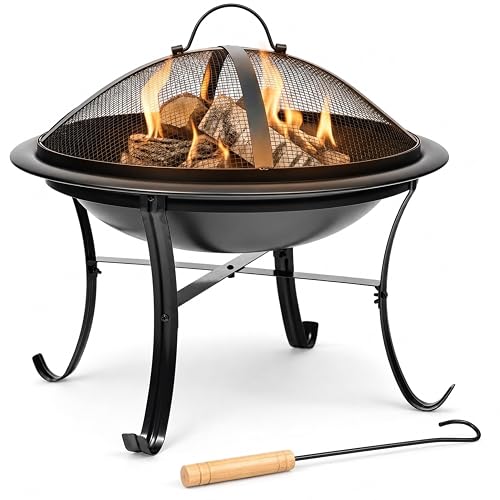
8. Build a Fire Pit Area From Stone or Pavers
A gathering spot anchored by a fire ring creates a focal point. Check local fire codes for setback distances from structures and fences before you build, since requirements vary by city and county. Place the ring on a non-combustible base, and keep a water source and extinguisher nearby.
Step-by-Step: Planning Your First Weekend Project
- Pick one problem from your yard audit, such as a muddy path or a sunless seating area.
- Sketch the area on graph paper at a scale of 1 square equals 1 foot.
- List every material and tool needed, then check which ones you already own.
- Call local suppliers or check their websites to confirm current availability and sizes before you drive out.
- Test your layout with stakes and string for one full day before digging.
- Build in stages so you can stop and adjust without losing the whole project.
- Finish with a reserve check: keep leftover material for repairs during the first year.
Tips and Common Mistakes
Tips
- Borrow tools from neighbors or community libraries before buying.
- Choose neutral colors for large surfaces so you can add accent colors later for little cost.
- Mulch every bare patch within the first season to slow weeds.
- Photograph the yard before and after each project to track what worked.
Common Mistakes
- Skipping drainage planning. Water that pools near a new structure can rot wood and undermine gravel within a season.
- Buying untreated lumber for ground contact. Only use wood rated for ground contact or stone and concrete for posts and legs.
- Overbuilding a first project. A small, finished zone is more satisfying than a large, half-complete one.
- Ignoring sun direction. A seating area that is in full afternoon glare may go unused.
- Forgetting maintenance time. Plan a 20-minute monthly check for loose screws, wobbly boards, and weeds.
Recommended Gear
- Landscape fabric and staples help block weeds under gravel paths and mulch beds, keeping material from mixing with the soil below. View on Amazon
- A quality post level lets you check raised bed frames and pallet seating for level and square before you fasten anything. View on Amazon
- Solar string lights rated for outdoor use extend evening use of the yard without running new wiring. View on Amazon
FAQ
What is the best place to start with budget friendly backyard ideas?
Start with a yard audit to see how the space is actually used. Fixing drainage or worn paths usually delivers the most value before you add decorative features.
Are reclaimed pallets safe for backyard furniture?
Only use pallets stamped HT, which indicates heat treatment. Avoid pallets marked MB, which were chemically treated with methyl bromide. Sand and seal them before use.
How deep should wood chips be under a play structure?
The CPSC playground guidance generally calls for about 9 inches of wood chips under equipment with fall heights up to 7 feet, though manufacturers’ specifications for each piece of equipment should always be followed. Check the official manufacturer and CPSC resources for your specific setup.
Do I need a permit for a shade structure or fire pit?
Requirements vary by city, county and homeowners association. Check with your local building or fire department before building large structures or open fire features.
What plants give the most value for a small budget?
Divided perennials from neighbors, native grasses, and seeds are usually the most economical. Choose plants suited to your climate zone so they need less watering once established.
How often should I maintain a budget backyard project?
A short monthly check for loose hardware, wobbly boards, and weed growth prevents small issues from becoming costly repairs. Plan a deeper seasonal review each spring.
Can I build these projects alone?
Many are manageable for one or two adults with basic tools. Heavy lifting, electrical work and structural shade installations may need help. Consult a licensed professional for any electrical wiring or permitted structure.
How do I keep kids safe in a DIY play area?
Remove sharp edges, sand all wood surfaces, anchor equipment firmly, and maintain adequate surfacing depth. Supervise young children and check the area regularly for wear.
Conclusion
Budget friendly backyard ideas succeed when they start with an honest look at how your family uses the space. Fix the functional problems first, then add visible upgrades that you can build in stages. Keep a reserve for repairs, and plan a short maintenance routine so your investment lasts. With a clear sequence and realistic scope, a modest budget can produce a yard your family wants to use every day.
Ready to choose one?
About Claire Whitaker
Claire Whitaker is part of our editorial team and reviews and edits our backyard living & play guides, checking product details against manufacturer specifications and owner feedback.