 By Claire Whitaker
Updated November 2026
Gardening ideas for small backyard spaces work best when you plan around light, access and the way you actually move through your yard. This guide shows you how to map your site, choose the right growing format and set up beds, containers and vertical structures so a modest yard produces flowers, herbs or vegetables all season. You do not need acres to garden well, only a clear plan.
Start by Mapping Sun and Access
Before you buy a single plant, spend a full day noting where sunlight falls. Check the yard every two or three hours and mark areas that get six or more hours of direct sun. Most fruiting vegetables and flowering annuals need that much light, while leafy greens and many herbs tolerate partial shade.
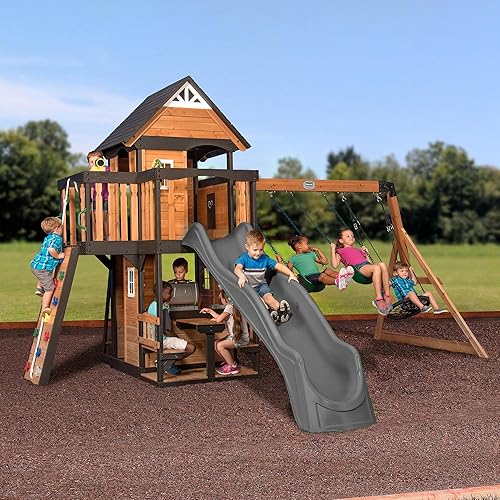
Shopping for one? See our guide: 5 Best Backyard Playsets for Small Yards: Compact Picks for Families.
Next, mark the paths you walk daily. Beds should sit where you can reach the center without stepping on soil, usually no more than 2 to 3 feet from an edge. Those two maps, sun and access, will decide most of your layout.
Choose a Growing Format That Fits the Space
Small yards reward flexible formats. Raised beds are a strong default because they warm faster in spring, drain well and keep soil separate from any lawn or compacted ground underneath. Standard raised beds about 4 feet wide let you reach the middle from either side.
Containers suit patios, steps and areas with poor soil. Large pots, at least 12 inches across for most herbs and 18 to 20 inches for tomatoes or peppers, give roots enough volume to perform. Vertical structures, such as trellises, wall planters and tiered shelves, add growing area without eating floor space.
Compare Your Options
| Format | Best for | Main limitation |
|---|---|---|
| Raised beds | Vegetables, cut flowers | Needs a flat, sunny spot |
| Containers | Herbs, patios, poor soil | Dries out quickly in summer |
| Vertical planters | Beans, cucumbers, trailing flowers | Needs sturdy mounting |
| In-ground strips | Perennials, borders | Soil may need amending |
Build a Layout Around Small-Yard Gardening Ideas
Once you know your format, sketch the layout to scale on graph paper. Keep the tallest plants on the north side of beds so they do not shade shorter neighbors. Group plants with similar water needs together, since irrigating a single bed is far easier than adjusting five different zones.
Consider a defined path of at least 18 inches between beds for comfortable kneeling and wheelbarrow access. Many small-yard gardeners also tuck a bench or compact seating area into the design, which keeps the garden usable as a place to rest, not just work. For more layout options that stretch limited ground, see Garden Ideas for Small Backyard: 7 Layouts That Make Every Inch Count.
Plant for Succession and Multiple Uses
A small bed can produce much more when you replant as crops finish. Radishes and lettuce mature in about 4 to 6 weeks, so they can make room for beans or bush cucumbers planted in midsummer. Pair fast crops with slow ones, such as garlic in the fall and tomatoes in spring.
Mix edibles with ornamentals where it makes sense. Nasturtiums, marigolds and calendula are edible or pest-deterring and flower well in the same bed as vegetables. This approach turns a narrow strip into both a kitchen garden and a display.
Simple Setup Checklist
- Measure the yard and record sun hours in each zone.
- Pick two or three formats: beds, containers and vertical growing.
- Sketch a scaled layout with 18-inch paths.
- Build or place structures, then fill with a blend of compost and topsoil.
- Plant tall and slow crops first, then add quick crops in gaps.
- Set up a watering method, such as a soaker hose or drip line, on a timer.
Recommended Gear
A soaker hose keeps water at the root zone and reduces wasted moisture in tight beds. View on Amazon
A tiered plant stand or wall planter lets you grow more herbs and flowers on a small footprint. View on Amazon
A sturdy trellis supports beans, peas and cucumbers so they climb rather than sprawl. View on Amazon
Tips and Common Mistakes
- Do not overplant. Crowding reduces airflow and invites disease, so follow the spacing on each seed packet.
- Avoid planting tall crops where they will block sunlight from the rest of the bed.
- Check containers daily in hot weather, since small pots can dry out within a day.
- Test soil before filling new beds, especially if the yard was previously lawn or had old structures.
- Start small. Two well-tended beds usually outperform five neglected ones.
FAQ
How much sun does a small vegetable garden need?
Most fruiting vegetables, such as tomatoes, peppers and squash, need at least six hours of direct sun daily. Leafy greens and herbs such as parsley and mint can manage with four to five hours.
Can I garden on a concrete patio?
Yes, using large containers with drainage holes and a lightweight potting mix. Check that the patio can handle the combined weight of soil and water, and consult a structural professional if you have doubts about load capacity.
What is the best size for a raised bed in a small yard?
A width of about 4 feet lets you reach the center from either side. Length can match the space available, though 8 feet is a common, easy-to-build choice.
Conclusion
A small backyard can support a productive, attractive garden when you plan around sun, access and vertical space. Start with a clear map, choose formats that suit your yard and plant in succession to keep beds working all season. Small, well-tended spaces often deliver more satisfaction than large, neglected ones.
Related reading
- Very Small Backyard Ideas: 9 Ways to Make Tiny Spaces Feel Bigger
- Swimming Pool Ideas for Small Backyard: 7 Designs That Fit
- Small Sloping Backyard Ideas: 7 Ways to Turn a Hill Into Usable Space
- Small Sloped Backyard Ideas: 7 Ways to Turn a Hill Into Usable Space
- Small Paved Backyard Ideas: 7 Layouts for Tight Spaces
- Small Backyard Turf Ideas: 7 Options for Tight Spaces
Ready to choose one?
About Claire Whitaker
Claire Whitaker is part of our editorial team and reviews and edits our backyard living & play guides, checking product details against manufacturer specifications and owner feedback.