 By Claire Whitaker
Updated November 2026
Good ideas for landscaping a backyard start with how you really use the space, not with a picture from a magazine. This guide walks you through a simple planning process, the main zones most family yards need, and a few design approaches you can adapt. By the end, you will have a rough plan you can sketch on paper and phase in over a season or two.
Start With a Site Survey and a Use List
Before you buy a single plant, measure the yard and note what already exists. Sketch the boundaries, the house, existing trees, and any spots that stay wet or in shade for most of the day. Then list how people use the space now and how you want to use it later, such as play, dining, a garden bed, or a quiet corner.
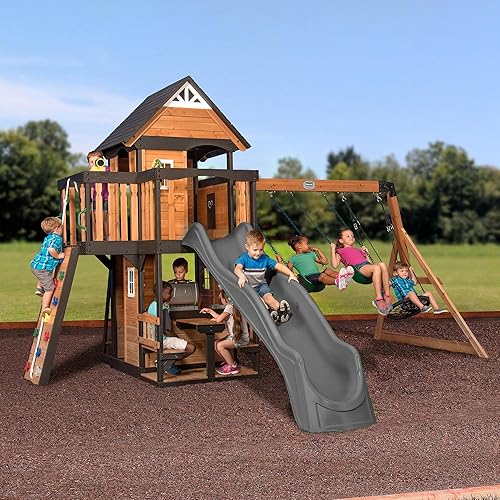
Shopping for one? See our guide: 5 Best Backyard Playsets for Small Yards: Compact Picks for Families.
- Measure the yard and draw it to scale on graph paper (one square equals one foot works well).
- Mark sun exposure at morning, midday, and late afternoon over a single sunny day.
- Note drainage problems, slopes, utility lines, and the location of the water spigot.
- Write a short list of your top three uses and rank them.
Design the Main Zones
Most family backyards work best when they are divided into a few clear zones. A patio or deck handles dining and lounging, a lawn or open area handles games, and planting beds soften edges and define paths. Keep the paths at least three feet wide so two people can walk side by side, and leave a clear route from the house to the gate.
Pick a Layout Style
Choose one dominant style so the yard feels intentional. Common options include a cottage garden with loose, layered perennials, a modern look with clean lines and a few bold shrubs, or a naturalistic design that mimics a meadow or woodland edge. Mixing too many styles usually makes a yard feel cluttered.
Choose Plants and Materials That Suit Your Site
Plant selection matters more than most people expect. Match plants to your sun exposure and local climate, and check the mature height and spread so shrubs do not crowd windows or walkways. Group plants with similar water needs together, which makes irrigation easier and reduces waste.
| Yard condition | Plant or material type to consider |
|---|---|
| Full sun, dry soil | Drought-tolerant perennials, gravel mulch, native grasses |
| Part shade | Hostas, ferns, hellebores, shade-tolerant groundcovers |
| Wet or poorly drained spots | Rain garden plantings, sedges, moisture-tolerant shrubs |
| High-traffic play areas | Durable turf, wood chips, pavers set on compacted base |
Build Lighting, Edges, and Finishing Touches
Once the main structure is in place, add the details that make the yard usable after dark and easy to maintain. Low-voltage path lights help guests find their way, and a few shielded fixtures in the seating area extend evening use. You can read more about safe, practical options in our guide to Landscaping Lighting Ideas Backyard: 7 Ways to Light Your Yard Safely.
Edging keeps mulch and gravel where they belong. Steel, stone, or composite edging all work, and installing it before you spread material saves time later.
Common Mistakes to Avoid
- Planting shrubs too close to the house or fence, which leads to crowding and pruning headaches.
- Ignoring drainage and placing a patio where water pools after rain.
- Buying every plant at once instead of phasing the project over two or three seasons.
- Choosing thirsty plants for a site that gets little water and then watering constantly.
- Skipping a clear path, so people cut across beds and trample new plantings.
Recommended Gear
A few tools make the planning and planting steps much easier. A basic soil test kit helps you choose amendments with confidence, and a long measuring tape or a laser distance measurer speeds up the site survey. A drip irrigation kit suits beds of mixed plants because it delivers water at the root zone.
- Soil test kit shows pH and nutrient levels so you can amend beds accurately. View on Amazon
- Laser distance measurer makes sketching the yard to scale quicker and more accurate. View on Amazon
- Drip irrigation kit waters planting beds efficiently and keeps foliage dry. View on Amazon
FAQ
How much of the yard should be lawn?
There is no fixed rule, but many family yards keep lawn to the open play areas and use planting beds for the edges. Reducing lawn in shady or hard-to-mow corners often saves effort without sacrificing play space.
Can I landscape a backyard in stages?
Yes, and phasing is often the smarter approach. Start with grading, drainage, and paths, then add planting beds and features as your budget and time allow.
Should I hire a landscape designer?
For complex slopes, drainage problems, or major hardscape like retaining walls, consulting a licensed landscape architect or contractor is worth considering. Simple planting plans can usually be handled by homeowners using a sketch and a local nursery’s advice.
Conclusion
Strong ideas for landscaping a backyard come from a clear survey, a short list of uses, and a consistent design style. Work through the zones, choose plants that suit your site, and phase the project so it stays manageable. A plan built this way will keep working for your family for years.
Related reading
- Wooden Fence Ideas for Backyard: 7 Styles and How to Choose One
- Wood Retaining Wall Ideas for Sloped Backyard: 6 Designs and How to Build Them
- Wood Fence Ideas for Backyard: 7 Styles and How to Choose One
Ready to choose one?
About Claire Whitaker
Claire Whitaker is part of our editorial team and reviews and edits our backyard living & play guides, checking product details against manufacturer specifications and owner feedback.