 By Claire Whitaker
Updated November 2026
Landscape ideas for large backyard spaces work best when you divide the yard into clear zones before you choose plants or hardscape. This guide walks you through how to map your space, pick a layout that fits how your family actually uses it, and fill each zone with features that look intentional instead of scattered.
Start by Mapping Your Zones
A big yard can feel like an empty canvas, which is exactly why it often ends up with no clear purpose. Sketch the lot on graph paper at a scale such as 1 inch to 10 feet, then mark the existing house, sun exposure, drainage paths and any mature trees. Next, label the areas you want: play, lounging, dining, gardening, storage and a quiet retreat. Most large yards hold four to six zones comfortably.
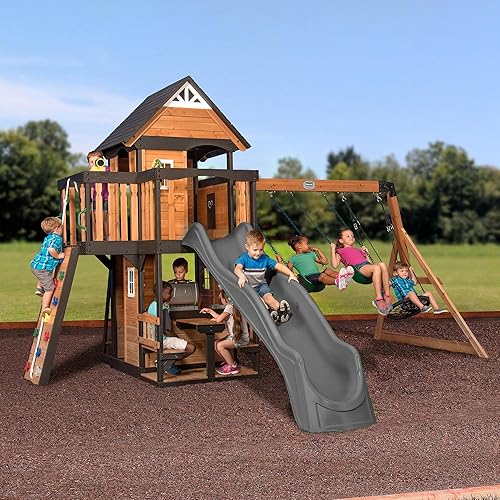
Shopping for one? See our guide: 7 Best Large Childrens Swing Sets for Backyard Play in 2026.
Build Structure With Paths and Edges
Paths are the simplest way to connect zones and stop a large lawn from looking like leftover space. A main path of 4 feet wide allows two people to walk side by side, while secondary paths of 2 to 3 feet suit single-file foot traffic. Gravel, flagstone and pavers each handle different levels of foot traffic and maintenance. Crisp edging, such as steel or stone, keeps beds defined and reduces weeding.
Layer Plantings for Scale and Privacy
Large yards need plantings that work at a larger scale than typical foundation beds. Use a backbone of trees and tall shrubs at the perimeter, a middle layer of medium shrubs and perennials, and ground covers or low grasses along the edges of paths. Group plants in odd-numbered clusters of three or five rather than scattering single specimens. Choose species suited to your hardiness zone and check mature sizes so plants don’t outgrow their spot within a few seasons.
Choosing Plant Groupings
Repeat two or three core plants throughout the yard to create rhythm. Anchor each zone with one standout feature, such as a flowering tree or a specimen shrub, then fill around it with supporting plants that share similar watering needs.
Add Focal Points and Gathering Spots
In a large yard, people tend to drift toward the first interesting thing they see. Place focal points at the end of sightlines, such as a fire pit, a pergola, a water feature or a bench under a shade tree. Keep gathering spots at least 12 to 15 feet from the house for fire pits to maintain safe clearance, and follow local codes for open flames.
Plan Lighting, Irrigation and Maintenance Early
Large landscapes are expensive to retrofit, so install utilities before planting. Run irrigation lines to zones with similar water needs, and map low-voltage lighting along paths and focal points. A simple planting plan with grouped watering zones cuts both labor and water use. Consider a lawn area that is only as large as you truly use, and convert the rest to beds or native plantings.
Common Mistakes to Avoid
- Planting trees too close to the house or utility lines without checking mature size.
- Placing every feature in one corner, leaving the rest of the yard unused.
- Using only one plant type, which makes large spaces look monotonous.
- Skipping a drainage check, which can cause pooling in low spots after heavy rain.
- Ignoring maintenance time; a large lawn can take hours each week to mow and edge.
Recommended Gear
- Bow rake is useful for leveling soil and smoothing beds before planting. View on Amazon
- Landscape edging keeps paths and planting beds crisp and reduces weeding. View on Amazon
- Soaker hose delivers water slowly at the root zone, which suits large planting beds. View on Amazon
FAQ
How many zones should a large backyard have?
Most large yards work well with four to six zones, such as play, dining, lounging, gardening and storage. Start with the areas your household uses most and add others only if they serve a clear purpose.
What is the best way to make a big lawn look less empty?
Break the lawn with planting beds, paths and a focal point, then reduce the lawn to the area you actually use. Curved edges and grouped plantings make the space feel intentional.
Do I need a professional to design a large backyard?
A basic zone map and planting plan can be done by most homeowners. For grading, drainage, major hardscape or utility work, consult a licensed landscape architect or contractor.
Conclusion
A large backyard becomes manageable and enjoyable when you divide it into purposeful zones, connect them with paths and layered plantings, and plan utilities early. Start with a simple map, then build one zone at a time so the finished yard feels cohesive and easy to maintain.
Related reading
- Texas Backyard Landscape Ideas: 7 Designs That Handle Heat and Drought
- Sloping Backyard Landscape Ideas: 7 Ways to Tame a Hillside
- Landscape Ideas for Slopes in Backyard: 7 Practical Options That Work
Ready to choose one?
About Claire Whitaker
Claire Whitaker is part of our editorial team and reviews and edits our backyard living & play guides, checking product details against manufacturer specifications and owner feedback.