 By Claire Whitaker
Updated November 2026
Good path ideas for backyard spaces do two jobs at once: they guide foot traffic away from soft lawn and garden beds, and they tie the yard together visually. This guide walks you through choosing a route, picking a material, and laying the path so it stays level and useful for years. You will end up with a plan you can sketch on graph paper and build over a weekend or two.
Start by Mapping the Routes People Actually Use
Before you choose a material, watch where people walk. Look at the worn grass lines between the driveway and back door, the gate and the patio, or the garden and the shed. Those lines show the shortest practical route, and a path that follows them is far more likely to be used than one that cuts a new diagonal across the yard.
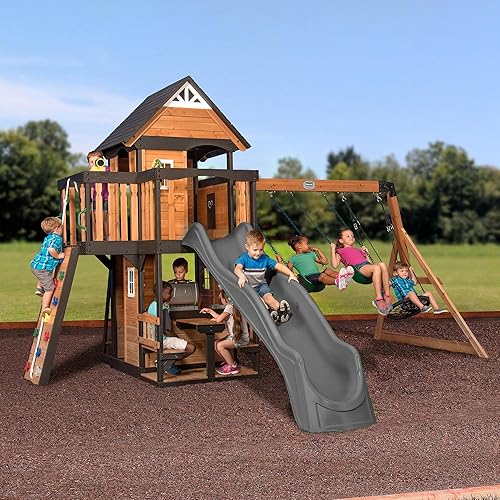
Shopping for one? See our guide: 5 Best Backyard Playsets for Small Yards: Compact Picks for Families.
Mark the start and end points with stakes and a garden hose, then walk the route several times. Aim for a main path about 3 to 4 feet wide so two people can pass comfortably, and secondary paths about 2 feet wide for single-file use.
Choose a Path Style That Matches the Yard
Most backyards suit one of a few basic layouts. Each has its own strengths:
- Straight axial path: A direct line from gate to patio. It suits formal or symmetrical yards and makes the space feel longer.
- Meandering curve: Gentle bends around trees or beds. It feels relaxed and hides the far end of the yard, which adds a sense of discovery.
- Stepping-stone route: Individual pavers set in gravel or groundcover. It is informal, light on materials, and works well for occasional access.
- Loop path: A circuit that returns you to the start. Useful for larger yards where you want to walk without retracing steps.
If you are working in a narrow lot, a single curved path often feels more generous than a straight one, because the eye cannot see the full length at once. For more layout options in tight spaces, see Small Backyard Ideas: Getting More From Less Space.
Pick a Surface Based on Use and Upkeep
Material decisions affect comfort, drainage and how much maintenance you will do each year. Here is how common options compare in general terms:
| Material | Best for | Main trade-off |
|---|---|---|
| Pea gravel | Casual, low-traffic routes | Stones migrate and need raking |
| Flagstone | Natural, rustic looks | Uneven surface; set carefully |
| Concrete pavers | Heavy use and wheelbarrows | Joints need periodic weeding |
| Wood rounds or boards | Woodland and cottage styles | Can become slick and rot over time |
| Mulch with edging | Budget-friendly garden routes | Needs refreshing every season |
For a route that will carry carts or foot traffic daily, pavers set on a compacted base are usually the most dependable choice. For a broader look at hard surfaces, check Hardscape Ideas for Backyard: 7 Designs for Patios, Paths and Walls.
Build the Base Correctly
Most path failures come from a poor base, not the surface itself. A typical sequence for a paver path looks like this:
- Excavate 6 to 8 inches for a foot-traffic path, adding depth for vehicles or heavy carts.
- Install landscape fabric to slow weeds, then add 4 to 6 inches of crushed stone base in layers.
- Compact each layer with a plate compactor or hand tamper, then check the slope.
- Set edging restraints so the surface cannot spread sideways.
- Add 1 inch of bedding sand, screed it flat, then lay pavers and sweep polymeric sand into the joints.
Aim for a slight slope of about 1/4 inch per foot so water drains off the surface rather than pooling. Manufacturers of many paver systems give specific base-depth guidance, so follow their instructions for your product. If the route crosses a slope or a drainage area, a short consultation with a landscape contractor or civil engineer is wise before you dig.
Common Mistakes to Avoid
- Making the path too narrow. Anything under 2 feet feels cramped and gets trampled at the edges.
- Skipping edging, which lets gravel or pavers spread apart within a season.
- Ignoring drainage and building a path that channels water toward the house foundation.
- Laying a route in the middle of the lawn instead of along the natural walking line.
- Choosing a slick surface such as untreated wood for a route that gets wet and shaded.
Recommended Gear
- Plate compactor: Compacts base layers evenly, which is the single biggest factor in a path that stays level. View on Amazon
- Polymeric sand: Locks paver joints so weeds and ants are less likely to take hold. View on Amazon
- Landscape edging restraints: Hold the path shape in place over the years. View on Amazon
FAQ
How wide should a backyard path be?
A main route of 3 to 4 feet lets two people walk side by side, while 2 feet works for secondary paths. Narrower routes feel cramped and wear at the edges quickly.
Can I lay a path directly on grass?
You can for light use, such as stepping stones on a sand bed. For a durable path, remove the sod and build a compacted base first so the surface does not sink or shift.
What is the best low-maintenance path material?
Concrete or stone pavers set with polymeric sand generally need the least attention. Gravel and mulch require more regular raking or refreshing.
Conclusion
Start with the walking lines you already see, then choose a layout and surface that suit how the yard is used. A well-built base matters more than the material on top, so take the time to compact and grade it properly. With those steps done, your path will guide people naturally and look intentional for years.
Related reading
- Cheap Backyard Walkway Ideas: 7 Low-Cost Paths That Last
- Wooden Fence Ideas for Backyard: 7 Styles and How to Choose One
Ready to choose one?
About Claire Whitaker
Claire Whitaker is part of our editorial team and reviews and edits our backyard living & play guides, checking product details against manufacturer specifications and owner feedback.