 By Claire Whitaker
Updated November 2026
Tall backyard privacy ideas work best when they block sightlines at eye level while still letting air, light and your own yard feel open. In this guide, you will learn how to measure your sightlines, pick the right height and material, and choose screening methods that suit your space. Most options can be installed over a weekend, and several grow more effective over time.
Start by Mapping Your Sightlines
Before buying anything, stand where you spend the most time, such as the patio chair, the kitchen window or the hot tub, and note where neighbors can see you. Sit down and stand up, since a seated person often needs less height than a standing one. Mark the problem spots with flags or stakes so you can see the gaps clearly.
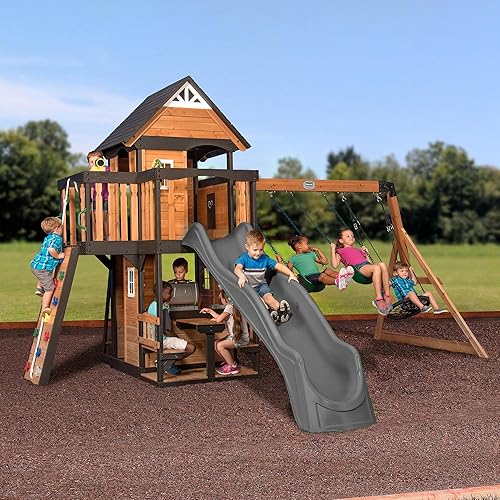
Shopping for one? See our guide: 5 Best Backyard Playsets for Small Yards: Compact Picks for Families.
Most residential privacy needs fall between 5 and 6 feet tall for ground-level views. Raised decks or sloped lots may need 8 feet or more, so check your local height limits and HOA rules before you build.
Compare Tall Privacy Options
Each screening method trades height, speed and maintenance differently. Use the table below to narrow your choices.
| Method | Typical height | Time to full effect | Upkeep |
|---|---|---|---|
| Solid wood fence | 6 to 8 feet | Immediate | Staining or sealing every few years |
| Lattice with climbing vines | 6 to 8 feet | 1 to 3 growing seasons | Pruning and training |
| Evergreen hedge | 6 to 15 feet | 2 to 5 years | Trimming once or twice a year |
| Freestanding privacy screen | 5 to 8 feet | Immediate | Low, mainly cleaning |
| Bamboo or reed fencing | 5 to 8 feet | Immediate | Replacement every few years in wet climates |
Build Height With Layered Screening
You do not always need one tall wall. A shorter solid fence combined with a row of tall shrubs or an overhead trellis often blocks views just as well and looks more natural. Place the solid barrier at the boundary and the plantings in front of it, so the greenery softens the fence line.
Use Trellises and Pergolas Over Patios
If the problem is a second-story window looking down, a solid overhead element helps more than a taller fence. Add a pergola with slatted or lattice roof panels and train climbing plants such as clematis or jasmine across it. Keep the posts stable and within any structure rules that apply to your lot.
Choose Plants and Materials That Fit Your Climate
Evergreen plants give year-round coverage, while deciduous plants leave gaps in winter. In cold regions, consider arborvitae or Leyland cypress; in hot, dry regions, look for drought-tolerant options such as junipers or certain ornamental grasses. Check the mature height and spread on the plant tag and space accordingly, since many hedges need 3 to 5 feet of width to thrive.
Ask a local nursery which species handle your soil and winter lows. Plant in early spring or early fall for the best root establishment.
Common Mistakes
- Building a fence without checking height limits, setbacks or HOA rules.
- Placing hedges too close to the fence, which leaves them starved for light and water.
- Ignoring the view from upper windows, which may expose you even behind a tall fence.
- Choosing fast-growing plants that outgrow the space within a few seasons.
- Skipping the sightline test and buying more height than you need.
Recommended Gear
- A post-hole digger makes setting fence and trellis posts faster and more accurate. View on Amazon
- Outdoor wood sealer helps protect fence boards from moisture and sun. View on Amazon
- Garden shears with a long reach help keep a tall hedge tidy from the ground. View on Amazon
FAQ
How tall should backyard privacy screening be?
Most homeowners find 6 feet enough to block views from ground level. Raise the height if you have a deck, a slope or a neighbor’s upper windows looking into your yard.
Are living hedges better than fences for privacy?
Hedges look softer and can grow taller over time, but they take years to fill in. A fence gives immediate coverage, so many people combine both.
Do I need a permit for a tall privacy fence?
Many towns limit fence height and require permits for certain heights or materials. Check your local building department and HOA rules before you start, and consult a licensed contractor if you are unsure about structural requirements.
Conclusion
Good tall backyard privacy comes from matching the screen to your sightlines, your climate and your timeline. Start with a sightline check, then choose a single barrier or a layered mix of fencing and plants. With the right height and placement, your yard can feel private and still open.
Related reading
- Ideas for Backyard Privacy: 7 Ways to Block Views Without Walling Yourself In
- Ideas for Backyard Fences: 7 Designs for Privacy, Pets and Curb Appeal
- Backyard Hot Tub Privacy Ideas: 7 Ways to Screen Your Spa
- Backyard Garden Fence Ideas: 7 Designs for Privacy, Pets and Style
- Wooden Fence Ideas for Backyard: 7 Styles and How to Choose One
Ready to choose one?
About Claire Whitaker
Claire Whitaker is part of our editorial team and reviews and edits our backyard living & play guides, checking product details against manufacturer specifications and owner feedback.