 By Claire Whitaker
Updated November 2026
Backyard ground covering ideas help you turn bare dirt, mud and patchy grass into surfaces that drain well, hold up to foot traffic and suit the way your family uses the yard. This guide walks through the main options, how to match them to your space, and the mistakes that cause most regret later. The goal is a surface you can live with for years.
Start With How the Yard Gets Used
Before comparing materials, decide what the ground needs to handle. A play area for young children needs impact-absorbing material under swings and slides. A dining patio needs a flat, stable surface for chairs and tables. A path between the garage and the gate mostly needs to stay dry and firm. Sketch the yard, mark the high-traffic routes and note where water pools after rain. Those three details will narrow your choices quickly.
Shopping for one? See our guide: DIY Backyard Patio Ideas: 3 Best Patio Idea Books Compared (2026).
Compare the Main Ground Covering Materials
Most backyard ground covering ideas fall into a few material families. Each has clear strengths and tradeoffs.
- Mulch (wood chips or shredded bark): Good for garden beds and play zones. Spread 3 to 4 inches deep for play areas, and refresh it yearly as it decomposes.
- Pea gravel: Drains well and suits paths and seating areas. It can migrate onto grass, so edge it with a border.
- Pavers (concrete, brick or natural stone): Durable and level, ideal for patios and walkways. Installation takes more planning, including a compacted base of crushed stone.
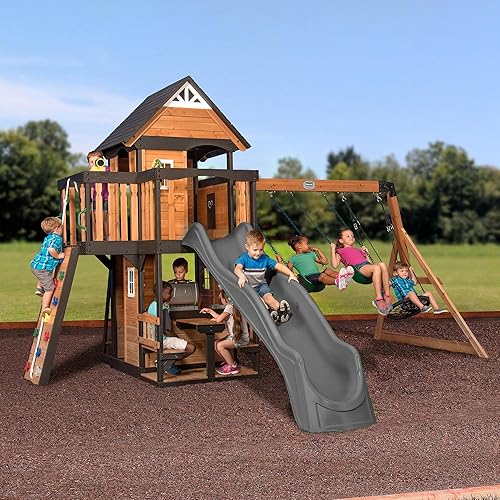
- Poured rubber or rubber tiles: Cushioned and low-maintenance, often used under play equipment. Look for products that list a critical fall height rating.
- Artificial turf: Stays green without mowing or watering. It can get hot in full sun, so consider shade and choose a lighter infill if available.
- Decomposed granite: A firm, natural-looking surface that works well for Mediterranean or desert-style yards. It needs periodic raking and a stabilizer on slopes.
- Living groundcovers (creeping thyme, clover, sedum): Soft and attractive in low-traffic areas. They generally struggle under heavy play.
Match the Material to Drainage and Slope
Drainage determines whether a surface stays usable. Gravel and permeable pavers let water soak through, while solid concrete and dense turf can shed runoff toward your house or a neighbor’s fence. Before installing anything, dig a test hole about 12 inches deep and fill it with water. If it drains slowly, plan for a gravel base, a French drain or a gentle grade that moves water away from structures.
Slopes need extra care. Loose materials like mulch and gravel wash downhill, so use edging, terracing or a geotextile fabric underneath. Firm options such as pavers set on a compacted base are usually more stable on grades.
Plan the Installation Steps
Most ground covers follow a similar process. Skipping the base work is the most common reason surfaces fail early.
- Mark the area and remove sod, roots and debris to the depth the material requires.
- Level and compact the subgrade. Add a base layer of crushed stone when the material calls for one.
- Lay a weed barrier fabric where you want to suppress growth, overlapping seams by several inches.
- Install edging to hold loose material in place.
- Spread the surface material to the recommended depth, then rake it smooth.
- Water lightly or tamp to settle the surface and check for low spots.
For play areas, follow the manufacturer’s stated depth and fall-height guidance, and check the surface after heavy use. Consult a professional landscaper or contractor for structural work, drainage changes or anything involving utility lines.
Common Mistakes to Avoid
- Using mulch under play equipment at less than the recommended depth, which leaves hard spots.
- Skipping edging, so gravel or mulch spreads onto lawns and walkways.
- Laying turf over poorly drained soil, which can cause odor and soft spots.
- Ignoring sun exposure, since artificial turf and dark rubber can get very hot.
- Choosing a surface before measuring foot traffic, leading to worn paths within a season.
Recommended Gear
A few supplies make installation cleaner and longer lasting. A landscape fabric roll under mulch or gravel slows weeds, and a flexible plastic lawn edging kit keeps loose materials where you put them. A plate compactor is worth renting for larger paver or gravel jobs.
- Landscape weed barrier fabric: helps block weeds under mulch and gravel. View on Amazon
- Flexible plastic lawn edging: contains loose materials along borders. View on Amazon
- Hand tamper for paver and gravel bases: compacts small areas evenly. View on Amazon
FAQ
What is the cheapest backyard ground cover?
Wood mulch and pea gravel are often the most accessible starting points. Both are easy to spread yourself, though they need periodic topping up.
How deep should mulch be under a swing set?
Follow the depth listed by the playset manufacturer, which is commonly several inches of engineered wood fiber or chips. Check the surface regularly and refill thin spots.
Can I install ground cover over existing grass?
Usually not for loose materials, because grass can push through and the surface will settle unevenly. Remove sod in the footprint first for the most reliable result.
Conclusion
The best backyard ground covering ideas balance drainage, safety, appearance and upkeep. Start by mapping how your family uses the yard, then match a material to those needs. A well-prepared base will do more for longevity than any premium surface.
Related reading
- Backyard Patio Covering Ideas: 7 Options for Shade and Rain Protection
- Backyard Above Ground Swimming Pool Ideas: 7 Layouts for Family Fun
- Above Ground Pool Backyard Ideas: 7 Layouts That Fit Family Yards
- Zen Garden Ideas for Backyard: 7 Calm Designs You Can Build This Weekend
Ready to choose one?
About Claire Whitaker
Claire Whitaker is part of our editorial team and reviews and edits our backyard living & play guides, checking product details against manufacturer specifications and owner feedback.