 By Claire Whitaker
Updated November 2026
Tiny backyard ideas on a budget come down to three things: zoning the space, using vertical area, and choosing a few projects that do double duty. Done well, a yard of a few hundred square feet can hold a seating nook, a bit of greenery and room for kids to play, all without a major spending plan. The steps below show how to plan the space and pick projects that deliver the most impact.
Start by Zoning the Space
A small yard feels cramped when everything competes for the same open floor. Divide it into two or three zones, such as a sitting area, a planting strip and a clear play or walkway zone. Marking zones with a change in material, like a rug-sized patch of pavers next to gravel, is often enough to make the layout read as intentional.
Shopping for one? See our guide: DIY Backyard Patio Ideas: 3 Best Patio Idea Books Compared (2026).
- Measure the yard and sketch it on graph paper at a scale of 1 square = 1 foot.
- Mark the sun path: note which areas get six or more hours of direct sun in summer.
- Assign a use to each zone and keep the middle clear for movement.
- Place the largest object, usually a bench or table, against a wall or fence to save floor space.
If you are still unsure how to divide the space, the ideas in Very Small Backyard Ideas: 9 Ways to Make Tiny Spaces Feel Bigger offer useful layout starting points.
Use Vertical Space Before Floor Space
Walls and fences are the cheapest square footage you have. Wall-mounted planters, trellises and shelves hold pots without taking up seating or walking room. A trellis 6 feet tall along one fence can support climbing plants such as clematis or pole beans and gives the yard a green backdrop.
Hanging planters work well where floor space is tight, but check that brackets are rated for the weight of wet soil. Fence-mounted pocket planters are another option for herbs and small flowers.
Build a Compact Seating Area
A tiny patio needs seating that fits. A bistro set for two, a built-in bench along a fence or a pair of folding chairs stored against the wall will do more than an oversized sectional. Choose a table no more than 24 inches across for a two-person setup, and leave at least 36 inches of clearance behind chairs so people can get in and out easily.
For more patio layout ideas that stretch a modest budget, see Patio Ideas for Backyard on a Budget: 8 Steps to a Better Space.
Choose Low-Cost Projects That Look Finished
Inexpensive upgrades that make a big difference include:
- Painting a single fence panel or the back wall in a deep, warm color to add depth.
- Laying a few pavers or stepping stones in a simple pattern instead of covering the whole yard.
- Adding outdoor string lights along one line to define the seating zone after dark.
- Using reclaimed pallets or crates as planters or shelving.
More ideas that rely on recycled materials are covered in Backyard Ideas with Pallets: 7 Projects for Families on a Budget and Inexpensive Ideas for Backyard: 7 Budget Projects That Look Great.
Plan for Play in a Small Yard
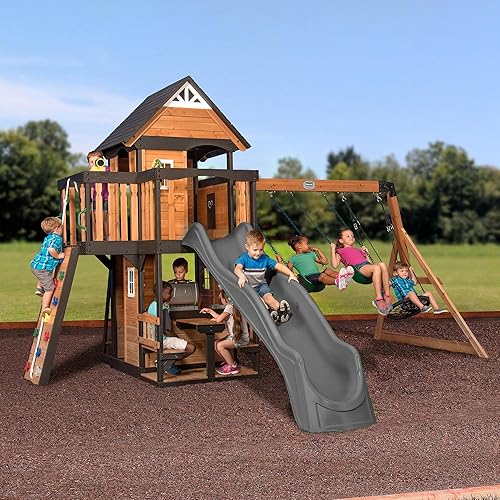
Children and pets still need room to move. In a tiny yard, choose play items that fold, stack or stay low. A small lawn strip, a balance beam made from a 4×4 post, or a sandbox with a lid can serve as the play zone. Keep sharp edges and tall structures away from fences and other hazards, and leave a clear fall zone of at least 6 feet around any play equipment.
Outdoor games that need little space are listed in Summer Fun Outdoor Games: 8 Easy Ideas for Backyard Play.
Recommended gear
A few basic tools make most of these projects easier to finish without buying specialty items.
- A level and a tape measure help you place shelves, planters and trellises straight on the first try. View on Amazon
- A cordless drill with a bit set handles wall anchors, brackets and fence mounting in minutes. View on Amazon
- Solar string lights define a seating zone without adding wiring work. View on Amazon
Common Mistakes to Avoid
- Buying furniture before measuring. Oversized pieces make the whole yard feel full.
- Using dark, heavy colors on every surface, which can make a small area feel smaller.
- Placing planters where they block the gate or the path to the door.
- Hanging heavy planters from fence boards not rated to carry them.
- Skipping drainage. Pots without holes can rot wood decks and stain pavers.
FAQ
What is the best first project for a tiny backyard?
Measuring and zoning the space is the best first step because it prevents expensive mistakes. Once you know where seating, planting and play will go, each later project has a clear place to fit.
Can a tiny yard still hold a fire pit?
Some small yards can, but check local fire codes and HOA rules first. Keep the fire pit at least 10 feet from structures and fences, and never use one under a low overhang.
How do I make a tiny backyard feel bigger?
Use light colors, keep the center open, add mirrors or reflective surfaces carefully, and place plants along the edges so the eye travels to the far wall.
Conclusion
Tiny backyard ideas on a budget work best when you plan the layout first and then add projects that serve more than one purpose. Start with zoning, use vertical space and choose a few finishing touches that tie the yard together. Check local rules and safety guidance before building anything structural or adding fire features.
Ready to choose one?
About Claire Whitaker
Claire Whitaker is part of our editorial team and reviews and edits our backyard living & play guides, checking product details against manufacturer specifications and owner feedback.