 By Claire Whitaker
Updated November 2026
Long narrow backyard ideas work best when you stop trying to fit a wide-yard layout into a narrow space. A long, skinny yard benefits from zones placed one after another, a clear path that runs its full length, and visual breaks that stop the eye from seeing the whole thing at once. This guide walks through how to plan those zones, use the side edges, and avoid the mistakes that make narrow yards feel like hallways.
Start by Measuring and Mapping the Yard
Before choosing any feature, measure the width at the front, middle and back, since many lots taper. Note where the sun falls at morning, midday and evening, and mark any slopes, drainage low spots, fence lines and utility access points. Sketch the yard to scale on graph paper, using one square for one foot.
Shopping for one? See our guide: DIY Backyard Patio Ideas: 3 Best Patio Idea Books Compared (2026).
Once you have the map, decide how many zones the length can support. A yard of 60 feet or more often holds three zones, while a shorter one may only fit two. Each zone should have one job: dining, lounging, play, or planting.
Divide the Length Into Distinct Zones
Narrow yards feel longer and more useful when each section has its own identity. Place the patio nearest the house, a middle lawn or play area, and a quieter garden or fire pit area at the far end. Separate zones with a change in surface, such as pavers giving way to mulch or grass, so people understand where one space ends.
Keep the central path at least 3 feet wide so two people can pass comfortably. Where space allows, let the path curve gently; a slight bend hides the far end and makes the yard feel more generous.
Use Staggered Features Instead of a Single Line
Set a bench, planter or small tree on alternating sides of the yard rather than lining everything up along one edge. This creates a zigzag rhythm that slows the eye and makes the space feel wider.
Use the Side Edges for Planting and Vertical Interest
The side boundaries are often the most underused part of a narrow yard. Plant a layered border along each fence: tall shrubs or grasses at the back, medium perennials in front, and low groundcover at the edge. Choose plants that suit your climate zone and sun exposure, and check mature widths so they do not crowd the path.
Vertical features help too. Trellises, espaliered fruit trees and wall-mounted planters add height without taking up floor space. A simple Small Narrow Backyard Ideas: 7 Layouts That Make a Long Yard Work layout will show you how other owners have handled the same side-border problem.
Create Depth With Materials and Lighting
Lighter materials near the house and darker or textured ones toward the far end can make the yard appear to stretch. Low path lighting marks the route at night and invites people to walk the full length. Small lights placed along the fence line add a sense of layers, and string lights overhead can define a dining zone without blocking the view.
Choose Materials for Durability and Cleanup
Pavers, gravel and mulch are all practical choices, but avoid anything that makes the path slippery when wet. Check local guidance on drainage before laying solid surfaces along a long, narrow lot, since runoff tends to concentrate on the low side.
Recommended gear
- A reliable garden hose reel keeps the narrow path clear and makes watering the long border quick. View on Amazon
- Solar path lights set the route visually and help you move safely after dark. View on Amazon
- A compact folding bench suits a narrow zone where a full table would block the walkway. View on Amazon
Common Mistakes
- Placing every feature along one side, which makes the yard look like a corridor.
- Making the central path narrower than about 3 feet.
- Overcrowding the borders with tall plants that block sunlight from the path.
- Ignoring the far end, which often becomes a neglected dumping spot instead of a usable zone.
- Skipping a drainage check before installing hardscape along a sloped side.
FAQ
How wide should a narrow backyard path be?
Aim for at least 3 feet so two people can walk side by side comfortably. Wider paths work better if you plan to use a wheelbarrow or mower along them.
Can a long narrow yard fit a play area?
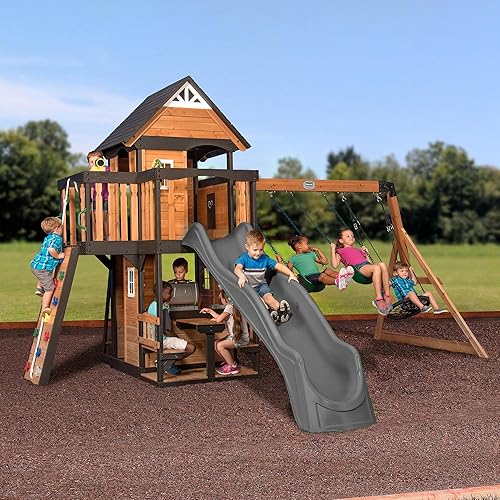
Yes, if you place it in the middle zone and keep equipment away from the fence line. Check manufacturer clearance recommendations before installing any play structure.
Should I consult a professional before building a retaining wall or drainage feature?
Yes. Structural walls and grading changes can affect property lines and water flow, so consult a licensed landscape contractor or local building office first.
Conclusion
Long narrow backyard ideas succeed when you divide the length into clear zones, use the side borders for planting and height, and add depth through staggered features and lighting. Start with an accurate map, then build one zone at a time. A yard planned this way feels spacious even when its width is limited.
Related reading
- Small Rectangular Backyard Ideas: 7 Layouts That Make a Long Yard Work
- Zen Garden Ideas for Backyard: 7 Calm Designs You Can Build This Weekend
Ready to choose one?
About Claire Whitaker
Claire Whitaker is part of our editorial team and reviews and edits our backyard living & play guides, checking product details against manufacturer specifications and owner feedback.